Nyhed
'The classroom must be a place where students dare to play – and fail'
Lagt online: 19.05.2026
Nyhed
'The classroom must be a place where students dare to play – and fail'
Lagt online: 19.05.2026
'The classroom must be a place where students dare to play – and fail'
Nyhed
Lagt online: 19.05.2026
Nyhed
Lagt online: 19.05.2026
By Lea Laursen Pasgaard, AAU Communication and Public Affairs
Photo: Emil Kragborg Eriksen, AAU
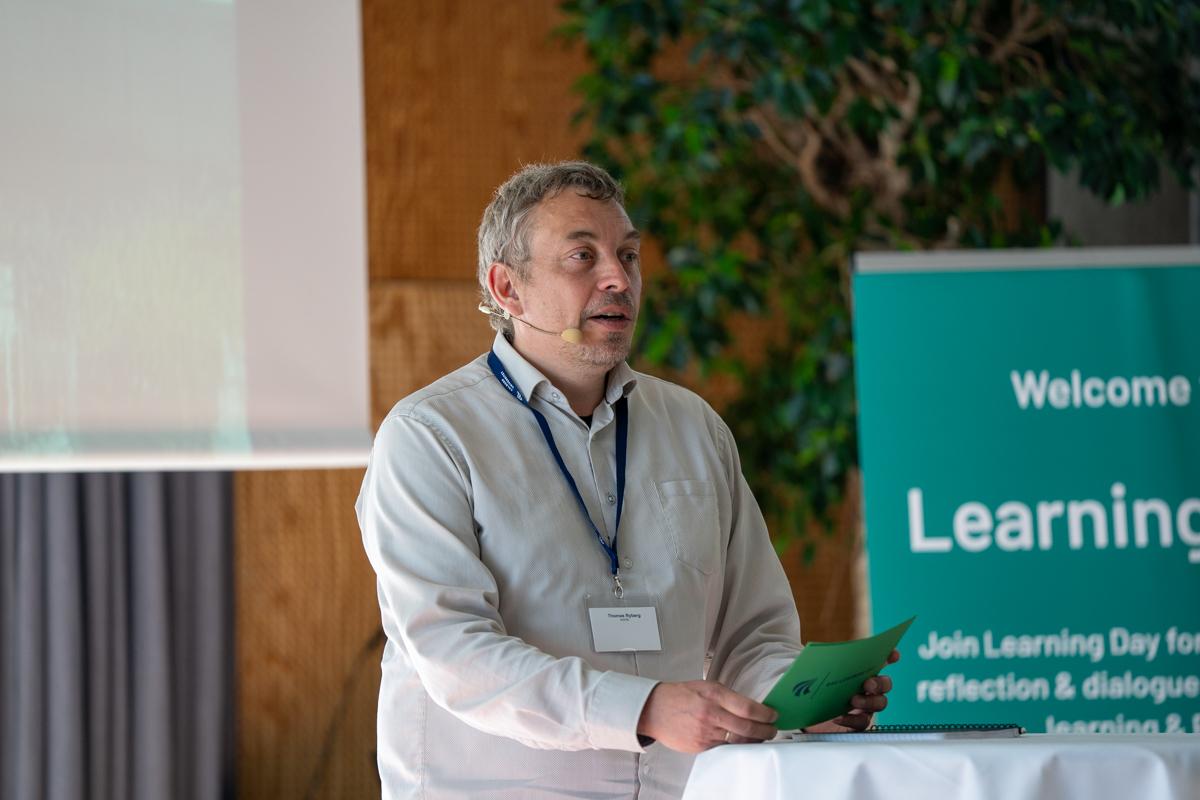
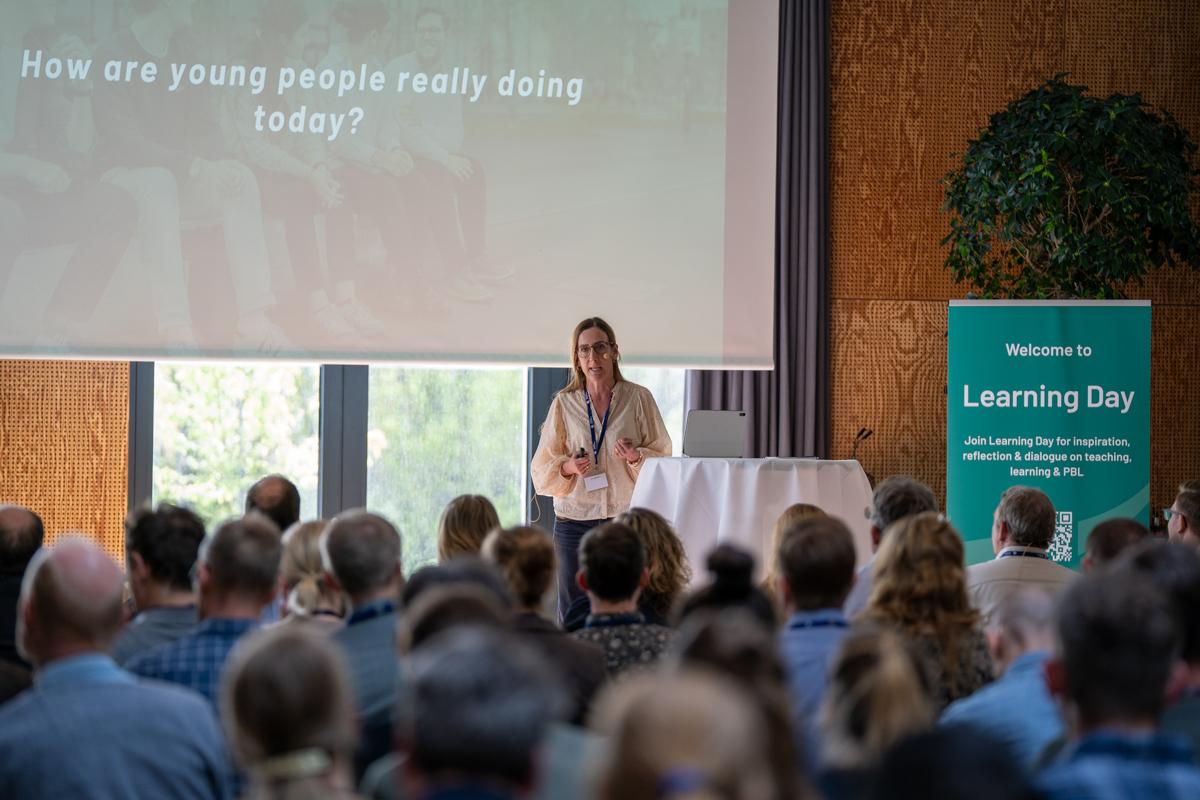
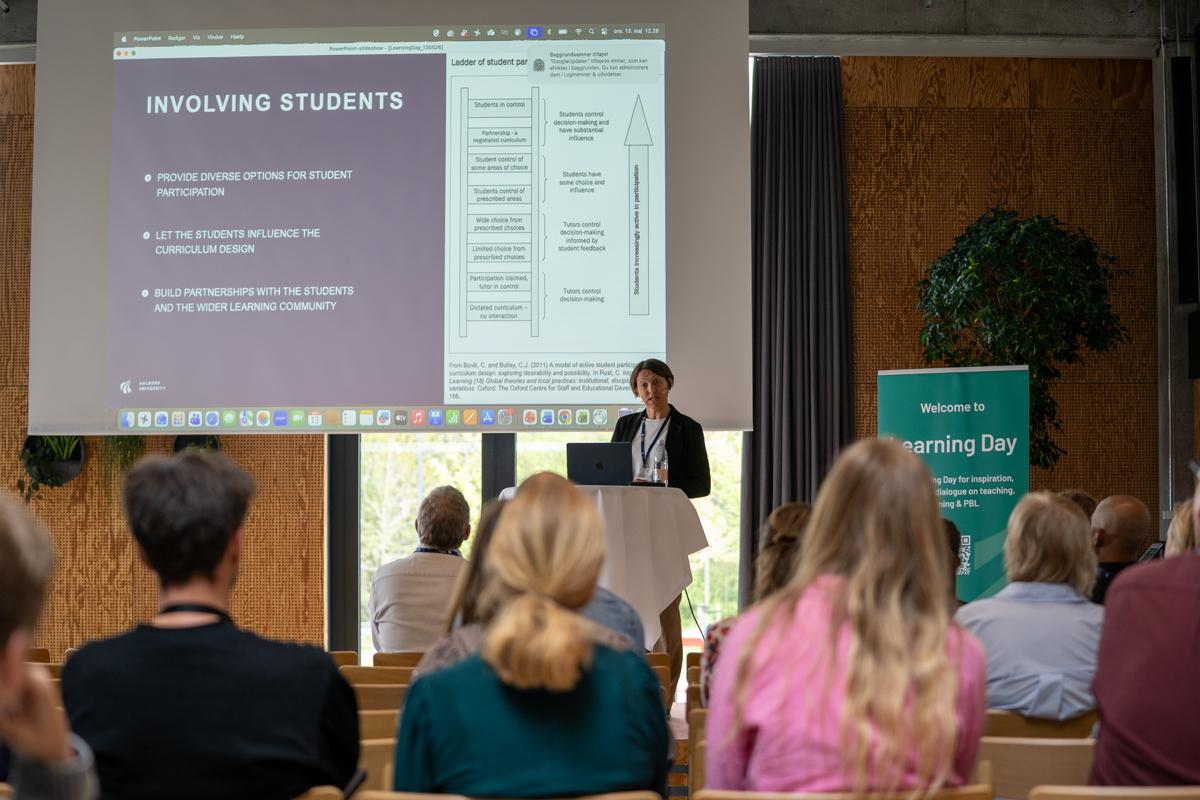
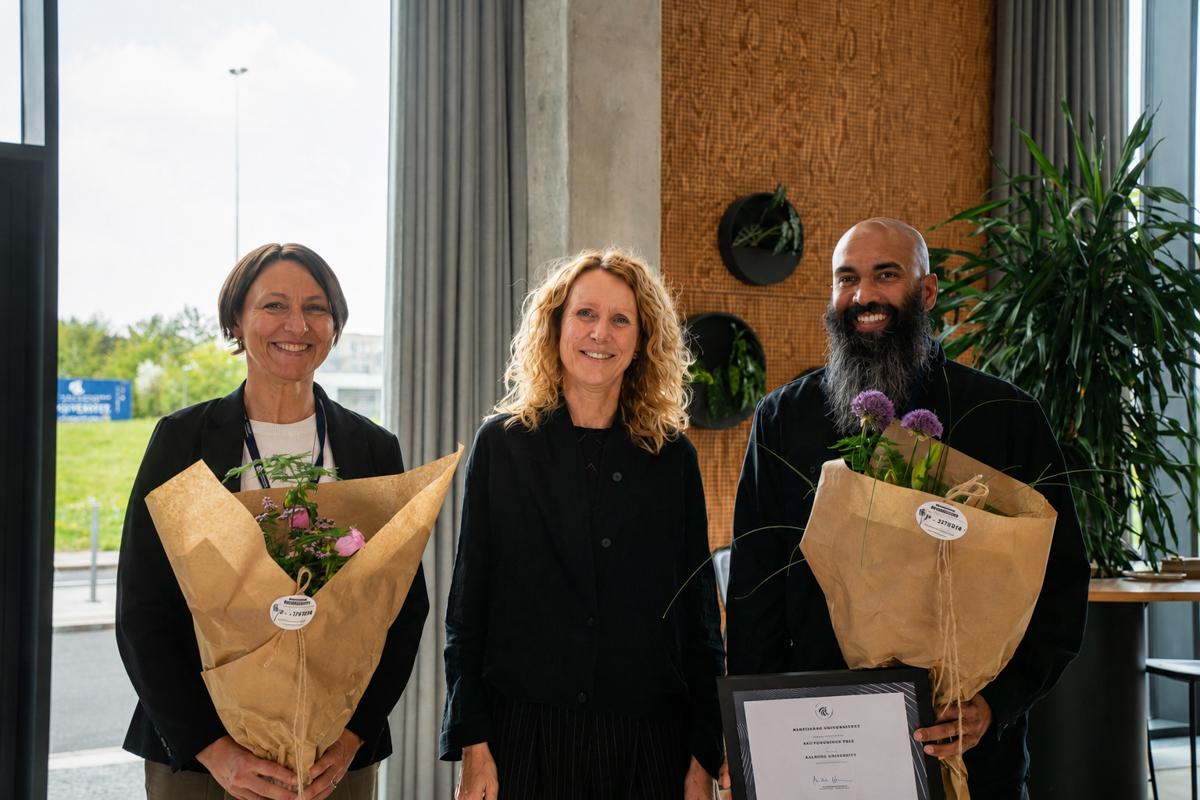
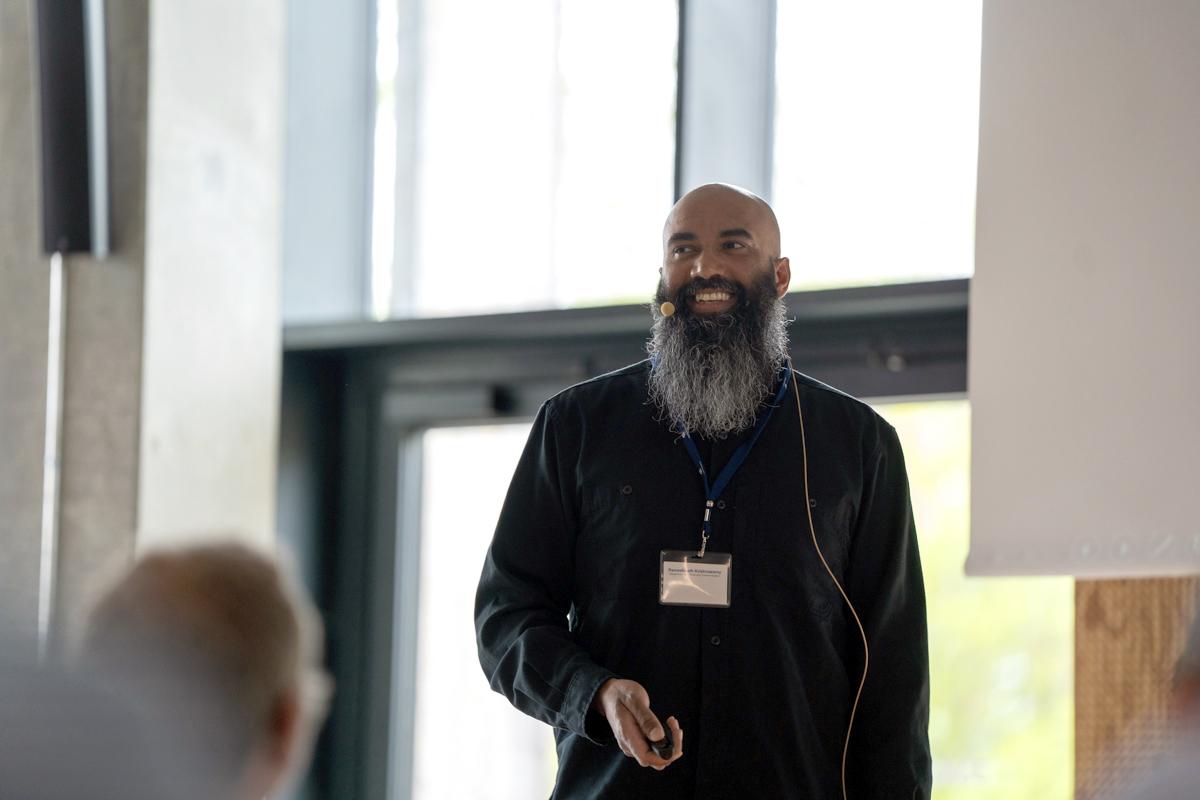
Good teaching should leave room for curiosity, experimentation and the occasional misstep along the way. That is the conviction of Assistant Professor Rameshnath Krishnasamy from the Department of Culture and Communication, who at this year's AAU Learning Day was awarded the AAU Pedagogy Prize 2026 for his ability to create a learning space where students dare to explore and develop ideas.
The nomination notes, among other things, that Rameshnath Krishnasamy has a particular ability to create a safe and inclusive learning environment in which students feel seen and acknowledged, and are encouraged to engage actively with both their successes and their challenges.
Speaking to AAU Update, Rameshnath Krishnasamy explains that his interest in good teaching grew out of his own experiences as a student at AAU. One teacher in particular left a strong impression on him: Kasper Løvborg Jensen. As Rameshnath Krishnasamy describes it, Kasper Løvborg Jensen created a space where curiosity could drive the work forward, and where there was room to build, imagine and test new ideas – alongside academic depth and systematic problem solving. It is an approach that has since left clear traces in his own teaching philosophy.
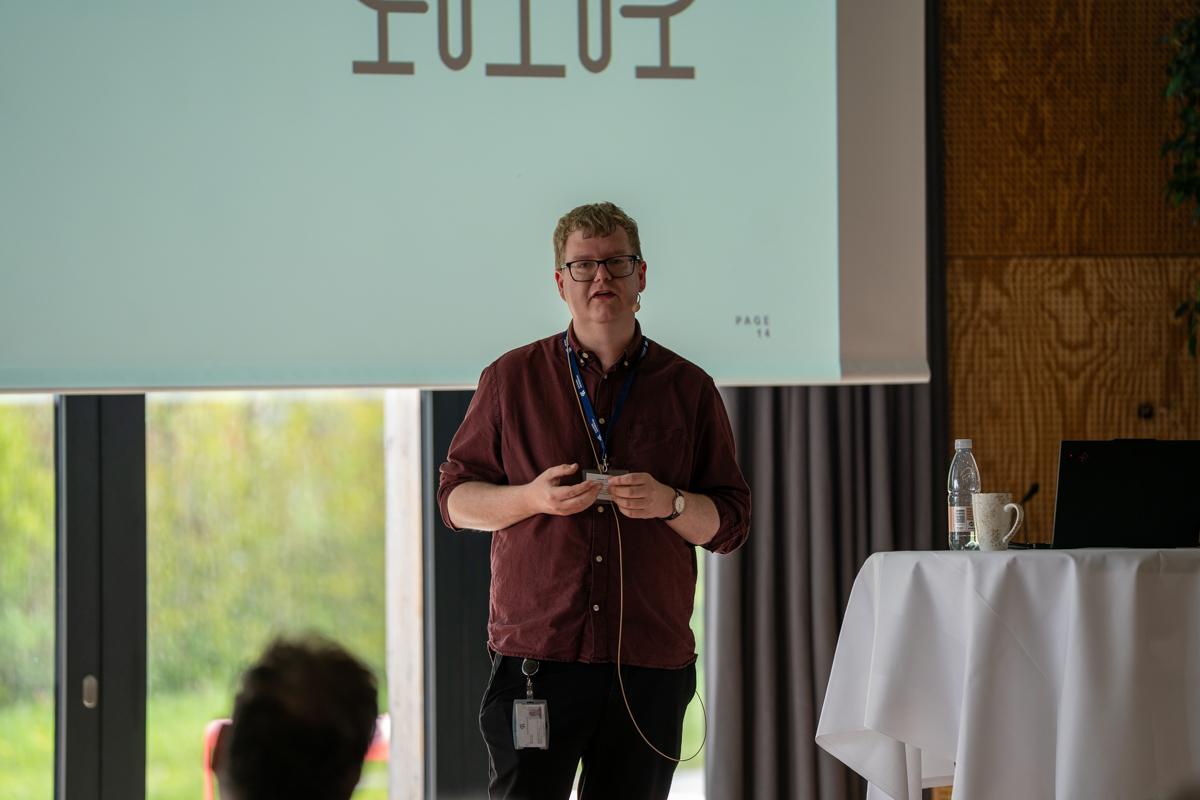
"The most important thing isn't that students solve every challenge perfectly, but that they dare to investigate, play with things, and find out why something works – or why it doesn't," says Rameshnath Krishnasamy, who gave a talk on his teaching philosophy at AAU Learning Day.
Rameshnath Krishnasamy describes his teaching philosophy through seven principles that together create a safe and exploratory learning space – a 'knowledge playground'.
Curiosity
Gets students asking questions and gives them the desire to find out more.
Imagination
Helps students see that things could be otherwise.
Experimentation
Makes it possible to try something out before you know the answer.
Participation
Turns learning from something individual into something shared.
Reflection
Helps experience become understanding.
Exploration
Strengthens learning by moving beyond the most obvious path.
Wonder
Reminds students that the world is still worth exploring.
Because curiosity may get students started, but wonder is what reminds them that the world is still worth exploring.
This approach also comes through in Rameshnath Krishnasamy's university pedagogy project. There, he examined what he describes as asymmetric dynamics in group work – a phenomenon he has observed in his own teaching over the years, where students often settle into fixed roles as either 'the technical ones' or 'the creative ones'. As a consequence, some students become very active in particular phases of a project while others step back, depending on the nature of the task.
In his pedagogy project, he took a closer look at this pattern, and at how teaching can be designed so that students are encouraged to move more readily across roles.
"One approach is to build deliberate role changes into the assignments, so that it isn't always the same people who take the lead – without the students experiencing it as something forced on them," says Rameshnath Krishnasamy.
He has reworked the project into a scientific article that is currently under review at an academic journal. He also plans to continue working with role rotation and other possible ways of loosening fixed roles in his future teaching.
For Rameshnath Krishnasamy, the pedagogy prize is first and foremost a recognition of the work he puts into teaching – and a confirmation that it is worth spending the time to develop a course thoroughly.
"It means a lot that some of the 'adults' in the system have looked at what I do and thought: this is actually good work. That acknowledgement is really nice to receive – and it confirms that what I do has value," he says.
Even so, his students' reactions are still what matters most to him:
"When my students, for example, come and tell me that they wanted to keep playing with the material, or that they've used it in new contexts – that, to me, is the strongest proof that my teaching is working," he says.

About AAU Learning Day 2026
AAU Learning Day is an annual event for teachers and staff involved in teaching and learning at AAU.
AAU Learning Day is organized by the Institute for Advanced Study in PBL (IAS PBL) and is planned in collaboration with an advisory committee consisting of representatives from across AAU: