Nyhed
One in Three Discarded Mobile Phones Are Thrown Away Without Any Attempt at Repair
Lagt online: 25.03.2026
Nyhed
One in Three Discarded Mobile Phones Are Thrown Away Without Any Attempt at Repair
Lagt online: 25.03.2026
One in Three Discarded Mobile Phones Are Thrown Away Without Any Attempt at Repair
Nyhed
Lagt online: 25.03.2026
Nyhed
Lagt online: 25.03.2026
By Susanne Togeby, AAU Communication and Public Affairs
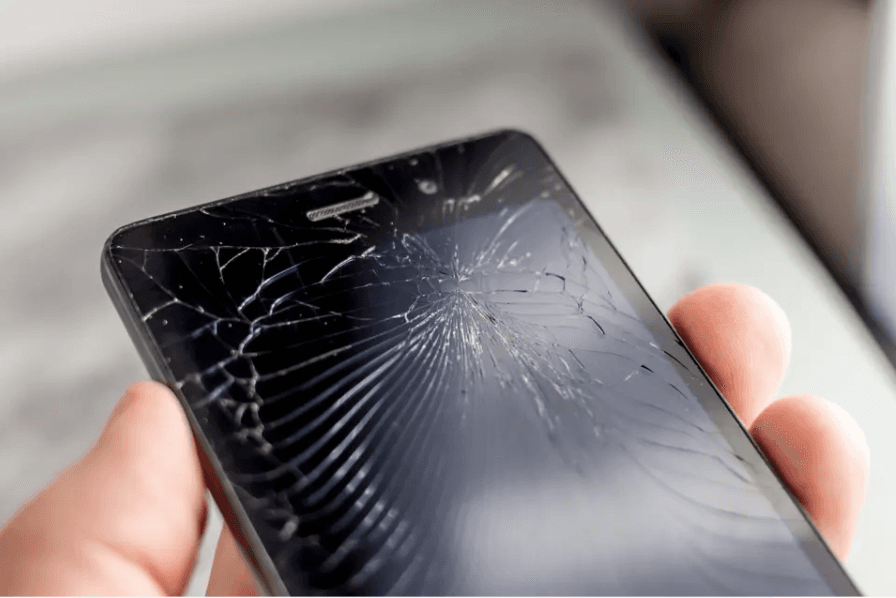
Photo: Colourbox
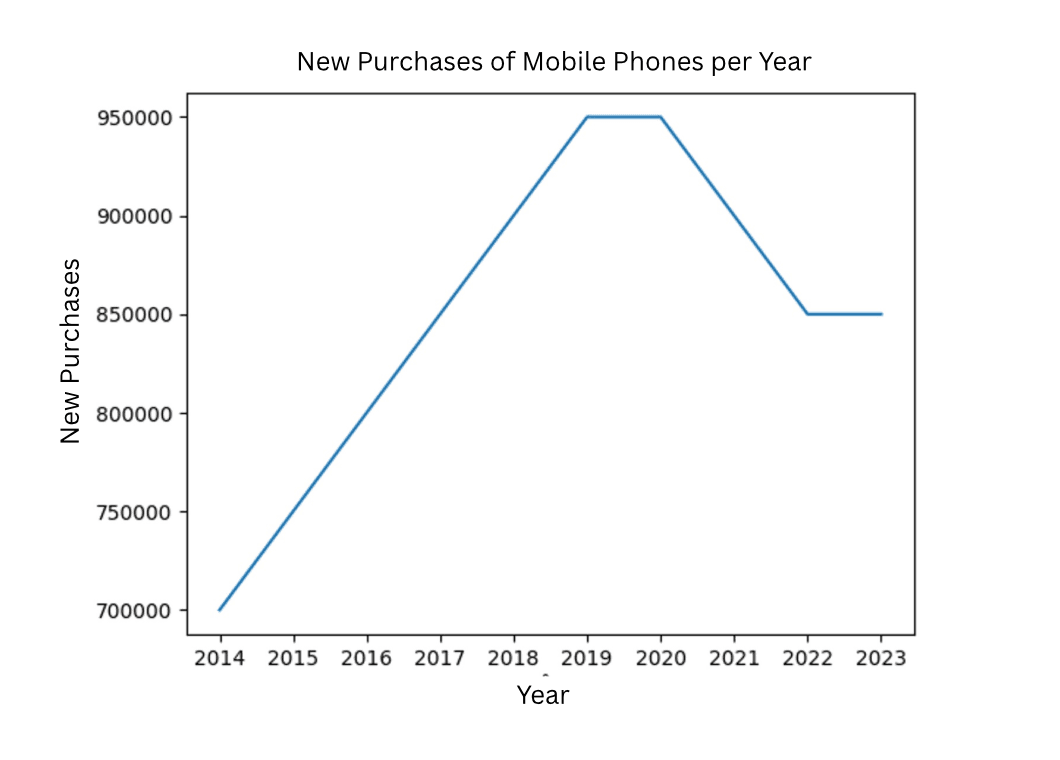
Over the past ten years, people in Denmark have purchased nearly eight million mobile phones. In the same period, almost six million have been discarded or left in drawers. This means that more than half a million phones are taken out of use every year. Figures from 2024 also show that one in three of the phones we dispose of has not been repaired before being discarded. This is problematic for several reasons:
The figures are compiled in a newly published analysis carried out by Michael Søgaard Jørgensen from Aalborg University. He conducts research in circular economy with a focus on product lifetime.
“In light of the current discussion about shortages of critical raw materials, the significant loss of resources from mobile phones is problematic. It increases the risk of shortages of raw materials for complex products such as wind turbines, solar panels and batteries,” says Michael Søgaard Jørgensen.
He believes that, as a society and as individuals, we need to become much better at repairing electrical products, including mobile phones.
“When products last longer, we reduce the need for new raw materials. The better we take care of the materials we already have, the less vulnerable we become. In this way, repairs can be seen as a form of societal preparedness.”
As an explanation for why we so often replace mobile phones without attempting repair, Michael Søgaard Jørgensen points to the fact that mobile phones quickly become obsolete due to new apps and operating systems. Psychological obsolescence may also play a role. The frequent launch of new models with new features means that some consumers purchase a new phone even when their current one still works perfectly well.
In 2025, the EU introduced requirements obliging mobile phone manufacturers to offer spare parts for seven years after a model is removed from the market, and that the prices of spare parts must be reasonable and must not hinder repair. Michael Søgaard Jørgensen notes that the regulation does not require manufacturers to make spare‑part prices visible as part of the phone’s labelling. In other words, the price of spare parts does not need to be displayed when purchasing a phone.
Over the past year, Michael Søgaard Jørgensen has worked to establish an alliance in Denmark and Europe aimed at promoting longer lifetimes for electronic products. The goal is, among other things, to ensure greater durability, better repair options, and clearer information for consumers: New alliance aims to extend the lifespan of electronics in Denmark.
Translated by: Laura Johanne Schou Carlsen
There is no official annual account of the precise number of mobile phones and new purchases in Denmark, but by combining figures from Statistics Denmark and the Telecom Statistics (mobile subscriptions), Michael Søgaard Jørgensen has created an overall picture of the purchases and stock of mobile phones in Denmark.
Click the + to view the figures