Nyhed
Joint commitment to the well-being of children and young people
Nyhed
Joint commitment to the well-being of children and young people
Joint commitment to the well-being of children and young people
Nyhed
Nyhed
By Nelly Sander, AAU Communication and Public Affairs
Photo: Orama
Professionals working with the well-being of children and young people can be found in many different settings – in schools, municipalities, leisure and community organisations, healthcare and research. They contribute with strong professionalism and dedication, yet often speak different “languages” and hold different understandings of both problems and solutions.
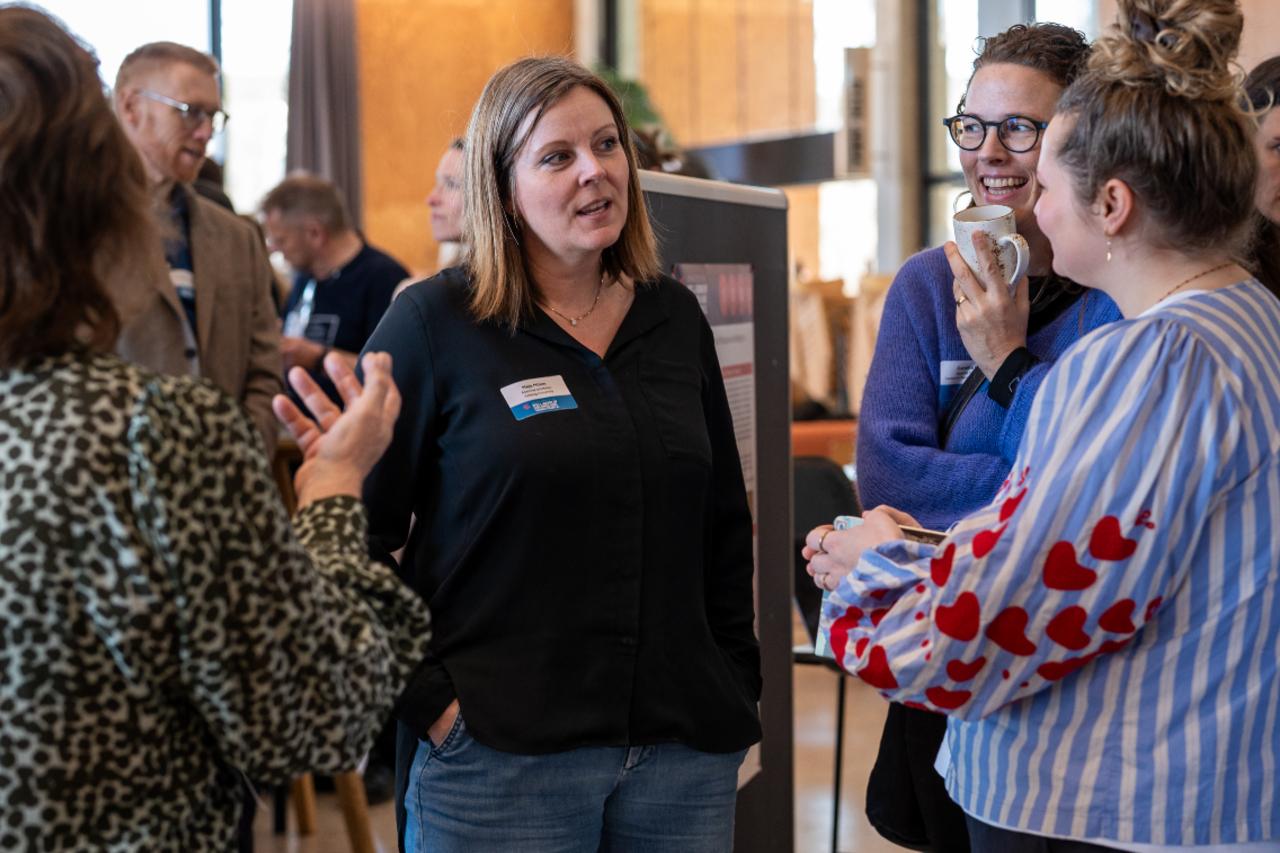
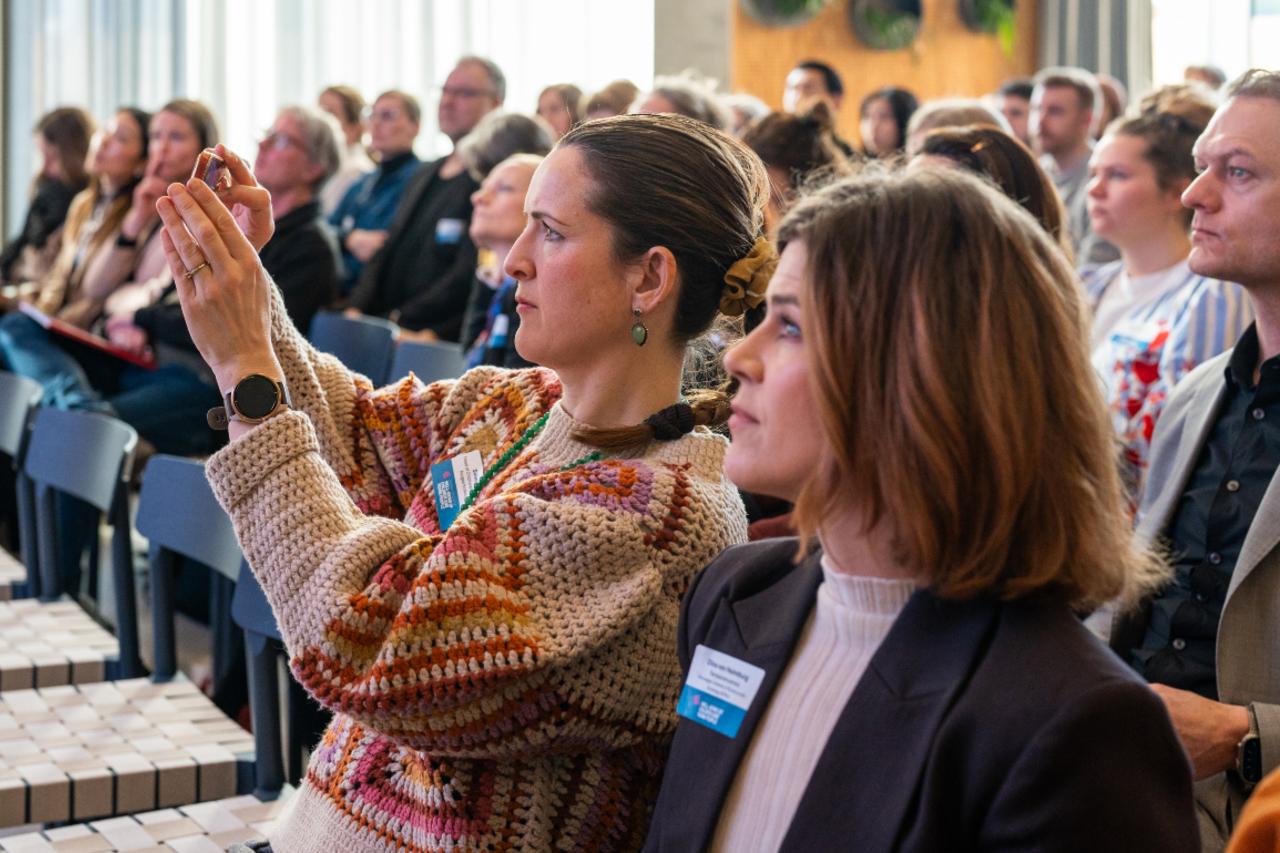
When AAU – under the auspices of the university’s Well-being Mission – gathered around 100 researchers and practitioners for a conference on the well-being of children and young people, the aim was precisely to create a shared space for knowledge exchange and new perspectives on well-being. This was supported by the active participation of a wide range of external stakeholders.
Professor Ottar Ness from NTNU’s WHO Collaborating Centre on Well-being and Social Sustainability provided a shared understanding of what well-being entails, and how it can be improved, using the concepts of mattering, wellness and fairness. Well-being is about feeling valued and being able to contribute and create value for others. To achieve this, children and young people must have real and meaningful opportunities for participation and influence in the important arenas of their lives.
Research Professor and Head of the Rockwool Foundation’s Unit for Intervention, Signe Hald Andersen, took participants on an exploration of numbers and statistics, focusing on what we know, what we do not know, and the challenges of “measuring” and understanding developments in young people’s mental well-being and dissatisfaction. We can observe significant changes in mental well-being and dissatisfaction, diagnoses, treatment and more. But can we explain these developments, and do we know when and how to intervene? Some factors that are difficult to measure are institutional changes, social expectations and what everyday life is like for young people. Well-being fluctuates, yet some young people experience persistent unhappiness.
Reducing or preventing dissatisfaction and vulnerability therefore requires changes in the institutional contexts and civil communities that children and young people are part of. A central aim of the Well-being Mission is to develop cross-disciplinary knowledge about the lives of children and young people and to share these insights across the actors who work with them in everyday life. This took place during the conference’s poster session and thematic sessions.
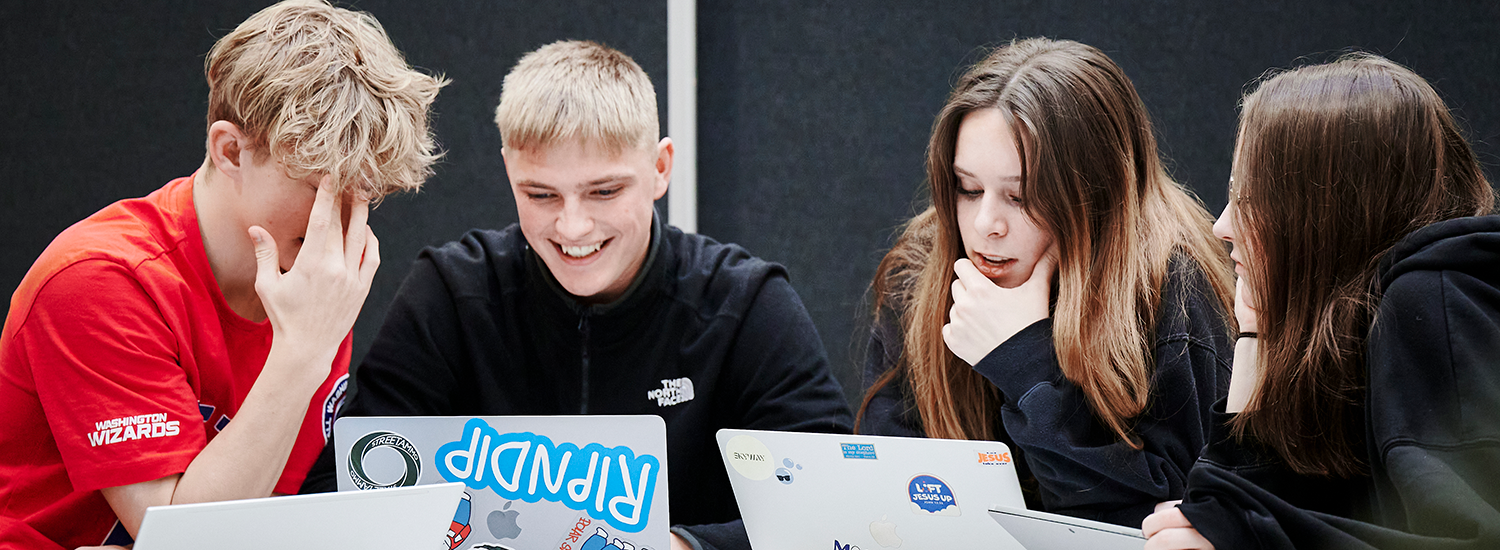
The well-being of children and young people is shaped both by their digital lives and by school. Digital technologies are an integral part of everyday life, and many pointed out that the solution is not prohibition but dialogue about how children and young people use social media. As one upper-secondary teacher put it during a conference session: “If we ban Facebook and Instagram for children under 14, they’ll quickly find other platforms.”
Similarly, school absenteeism was highlighted as an area where a narrow focus on numbers can overshadow the many different causes and life situations behind it. Understanding absenteeism requires insight into the everyday lives of children and young people, as well as their own perspectives.
Leisure time and voluntary communities were also highlighted as important spaces for well-being. In communities such as sports clubs, scouting or role-playing groups, children and young people can meet on different terms than in school or public systems – in communities characterised by relationships, volunteerism and a desire to participate. These can also be communities where young people support one another and, despite mental dissatisfaction, break out of social isolation. This is not treatment, but meeting others in an informal and safe environment. As one NGO representative said: “We always have blankets, pillows and fairy lights – and that is perhaps a little different from psychiatry.”
The conference offered several examples of how leisure communities can accommodate and include different groups of children and young people, and how civil society can play a special role. At the same time, it was emphasised that cross-disciplinary cooperation requires an understanding that voluntary communities and public institutions operate according to different logics.
Professor and Mission Manager Maria Appel Nissen was delighted with the outcome of the conference, summing it up as follows:
“When researchers and practitioners meet with curiosity and without fixed divisions between sectors, new understandings arise. This is where we develop the shared language that enables us to nuance the debate and identify where we can actually make a difference for children and young people.”
The leadership of the Mission for the Well-being of Children and Young People at Aalborg University is now building on the conference and looks forward to engaging with everyone who would like to learn more about how to join the mission.
Read more about the AAU Mission on improving the well-being of children and youth in Denmark
Translated by: Rikke Bajlum Nielsen