Nyhed
Collaboration on physical activity requires more than good intentions
Nyhed
Collaboration on physical activity requires more than good intentions
Collaboration on physical activity requires more than good intentions
Nyhed
Nyhed
By Nelly Sander, AAU Communication and Public Affairs
Photo: Shutterstock
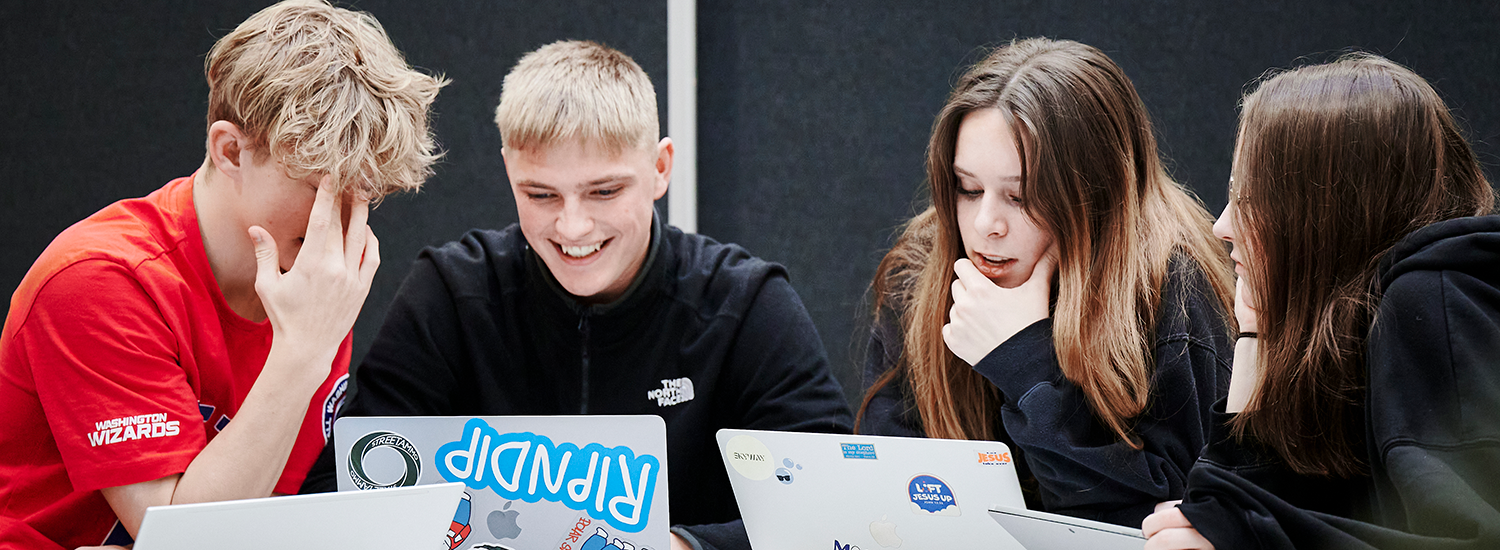
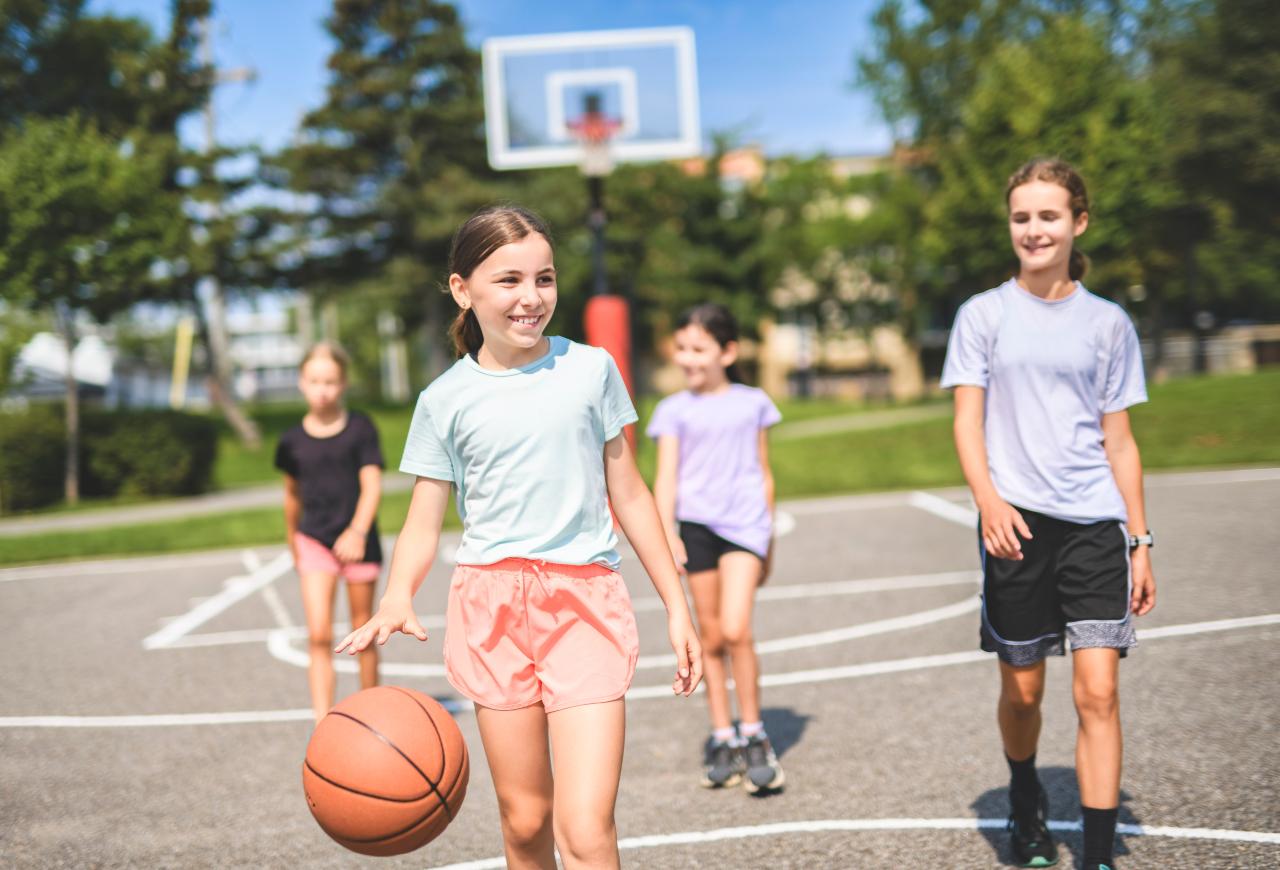
Many stakeholders are working to get children and young people to participate in leisure activities such as parkour, dance and esports. A research project from AAU shifts the focus from children and young people to the collaboration between municipal employees, social workers in public housing and representatives from sports associations, and their local capacity to develop relevant options.
The results show that good intentions are not enough. If collaboration is to be successful, it requires clear roles, flexible organisation and a focus not only on the activities, but also on the relationships between the participating actors.
Some actors primarily measured success in terms of the number of children who participated in the activities. Few emphasised the resources that the actors themselves created via their interaction: new relationships, a greater understanding of each other's circumstances and a shared language for cooperation. The project highlights an important point: If stakeholders view creating shared resources merely as a shortcut to achieving results, these resources may lose value.
"The collaboration is best organised in two tracks: One deals with activities for children and young people. The other addresses building capacity between the actors and in the local community so we can solve problems together, and whenever we encounter challenges," says Camilla Bakkær Simonsen.
In practice, this means that meetings of the partners should not only deal with activities, but also provide space for reflection on the value of working together across organisations, and how this work can strengthen the local community's capacity to continuously support children and young people's opportunities for movement in their spare time.
According to Camilla Bakkær Simonsen, the surveys clearly show that all the actors share the desire to create more and better opportunities for children and young people to engage in physical activity in their spare time. Nevertheless, the process came to a standstill in several places. This was due to varying degrees of commitment as well as ambiguity about responsibilities, roles and expectations of each other. When many people contribute ideas and knowledge, but few see themselves as the ones who will put ideas into practice, people feel put on hold and momentum is lost.
"If those involved are unclear on resource allocation or lack decision-making authority, then it will be difficult to move forward," says Camilla Bakkær Simonsen.
She summarizes several pieces of advice for those who want to partner on building capacity to support children and young people's opportunities to engage in physical activity in their spare time.
Agree on a role compass from the start, and revisit it regularly
Ensure a clear division of responsibilities and roles, and discuss what the roles entail, preferably on an ongoing basis as the content of the role and the person performing the role may change.
Use the opportunities in the local community and involve the children
Involve local actors who know the children and young people well, and consider moving activities into specific residential areas and adapting them to children and young people who are not used to taking part in traditional sports clubs.
Develop a support network
Identify potential volunteers who can serve as contacts for new members, as well as people and organisations who can assist families with practical or financial matters, so these do not become barriers to children’s participation.
Prioritise both activity and capacity
Prioritise not only on providing activities for children and young people but also on building relationships between the partners working to improve access to leisure activities — even though this can be difficult or frustrating at times.
More knowledge