Bullying, harassment and abusive tone: A growing problem
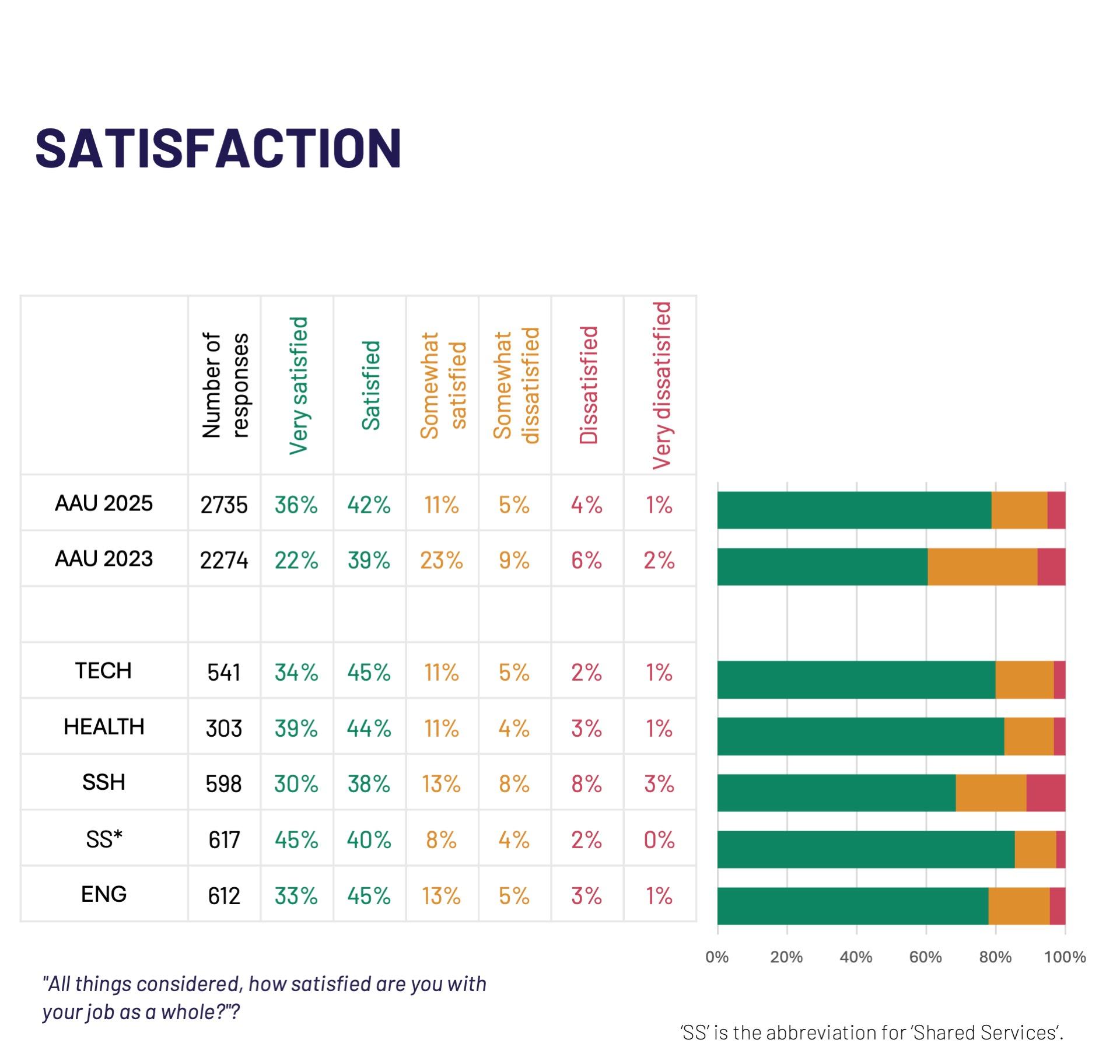
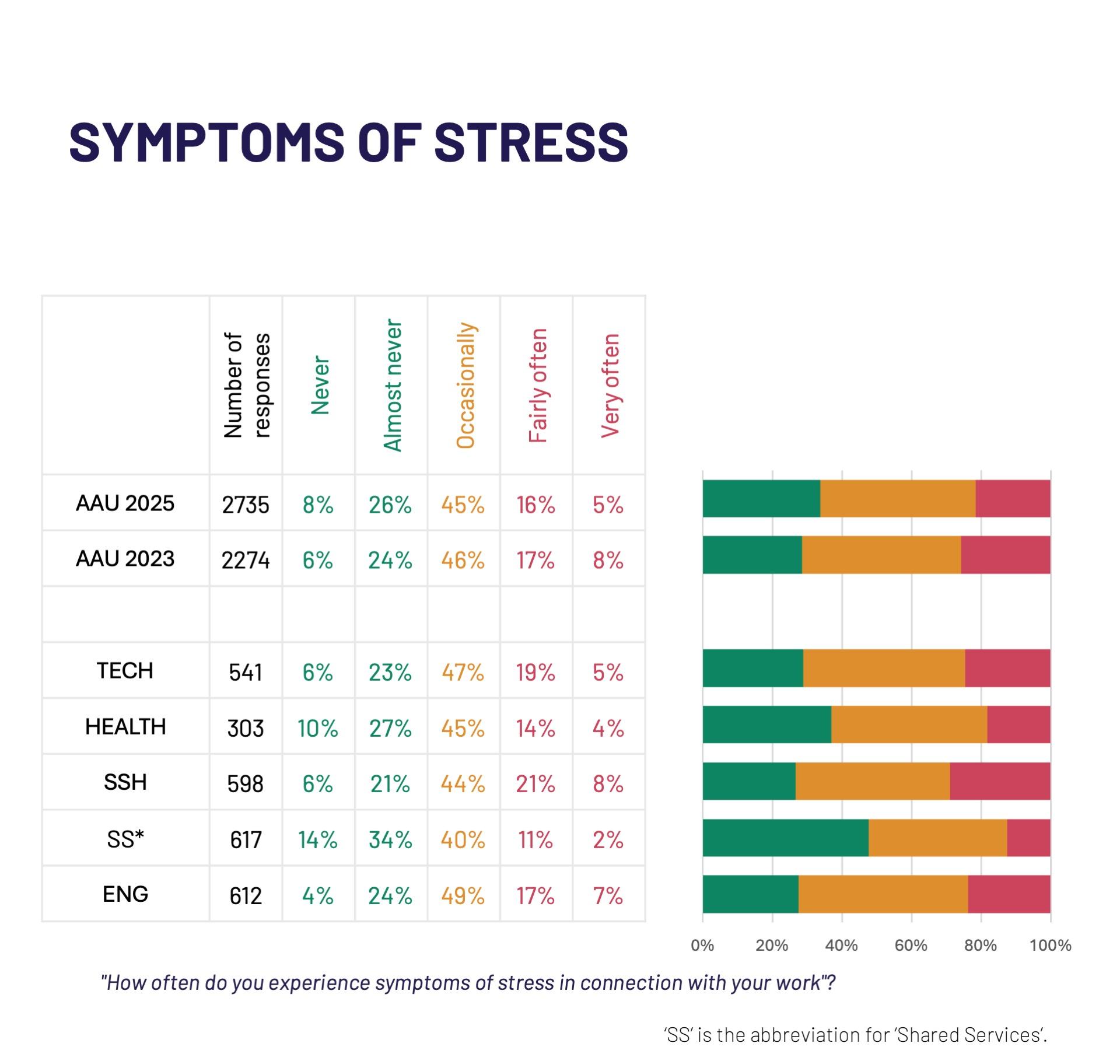
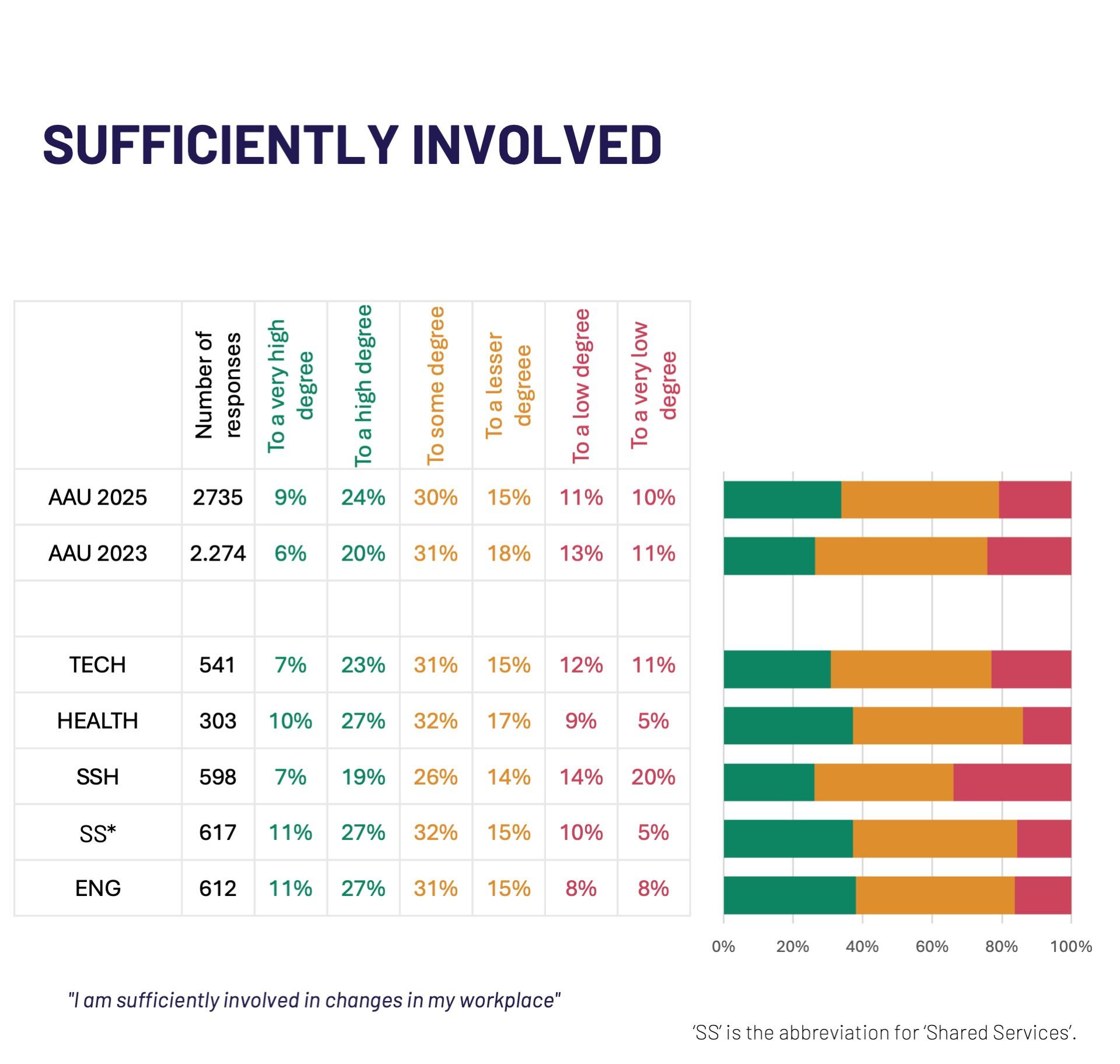
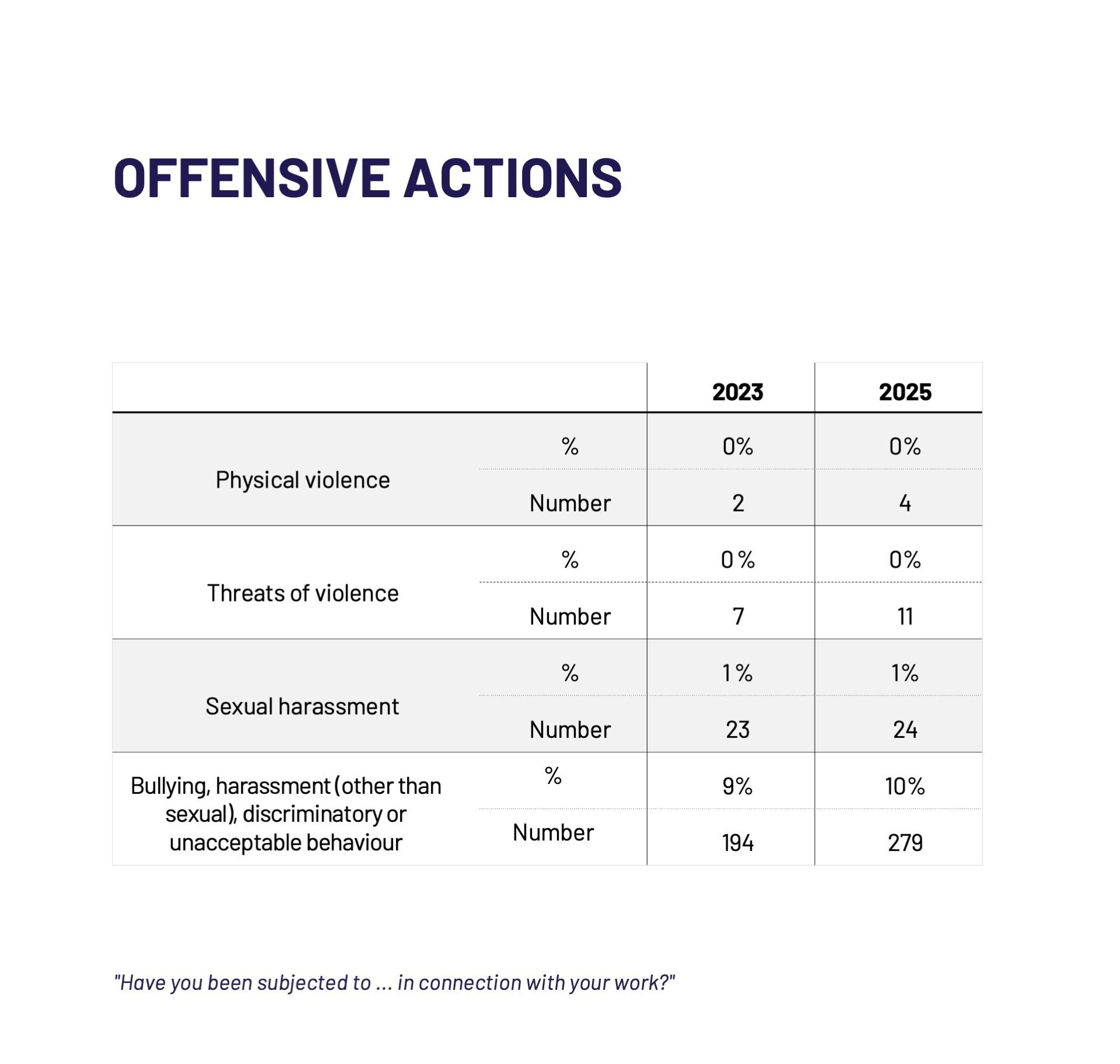
Although the incidence of physical violence, threats and sexual harassment remains low, the Staff Well-being Barometer shows that more staff members experience bullying and unacceptable behaviour. In the Staff Well-being Barometer, 279 staff members indicate that they have experienced 'bullying, harassment (other than sexual), discriminatory or unacceptable behaviour' in the past year. Often by their immediate superior or colleagues. Both the rector and Thomas Quaade take this very seriously.
"Any kind of offensive or abusive behaviour is unacceptable, and this is clearly something we should address in terms of prevention and open dialogue. We all have a shared responsibility to ensure a safe and inclusive working environment," says the rector.
Next steps
The overall trends in the Staff Well-being Barometer serve as a basis for a broad discussion at both the local and central level. Today, all departments and AAU units have received their own results by email which will be processed by the local consultation and occupational health and safety committees where there will be a dialogue on how to best follow up on the specific challenges and strengths.
At the same time, the results are discussed by the Executive Management, the Main Occupational Health and Safety Committee and the Main Joint Consultation Committee where the focus is on identifying cross-cutting themes that require joint efforts and prioritizing. The aim is for the process to result in both local and joint decisions on initiatives that can strengthen well-being, psychological safety and a constructive tone throughout the university.
A shared responsibility
In relation to the further work, the rector and Thomas Quaade agree that a good working environment is a shared responsibility, and that it is created in the interaction between management, culture and collegial community:
"Well-being is something we create together. Management has a responsibility, but the lived experience of the working environment is in the units and the departments. Management can facilitate, but the everyday culture is created by colleagues and local communities," says Thomas Quaade.