DEPARTMENT OF HEALTH SCIENCE AND TECHNOLOGY
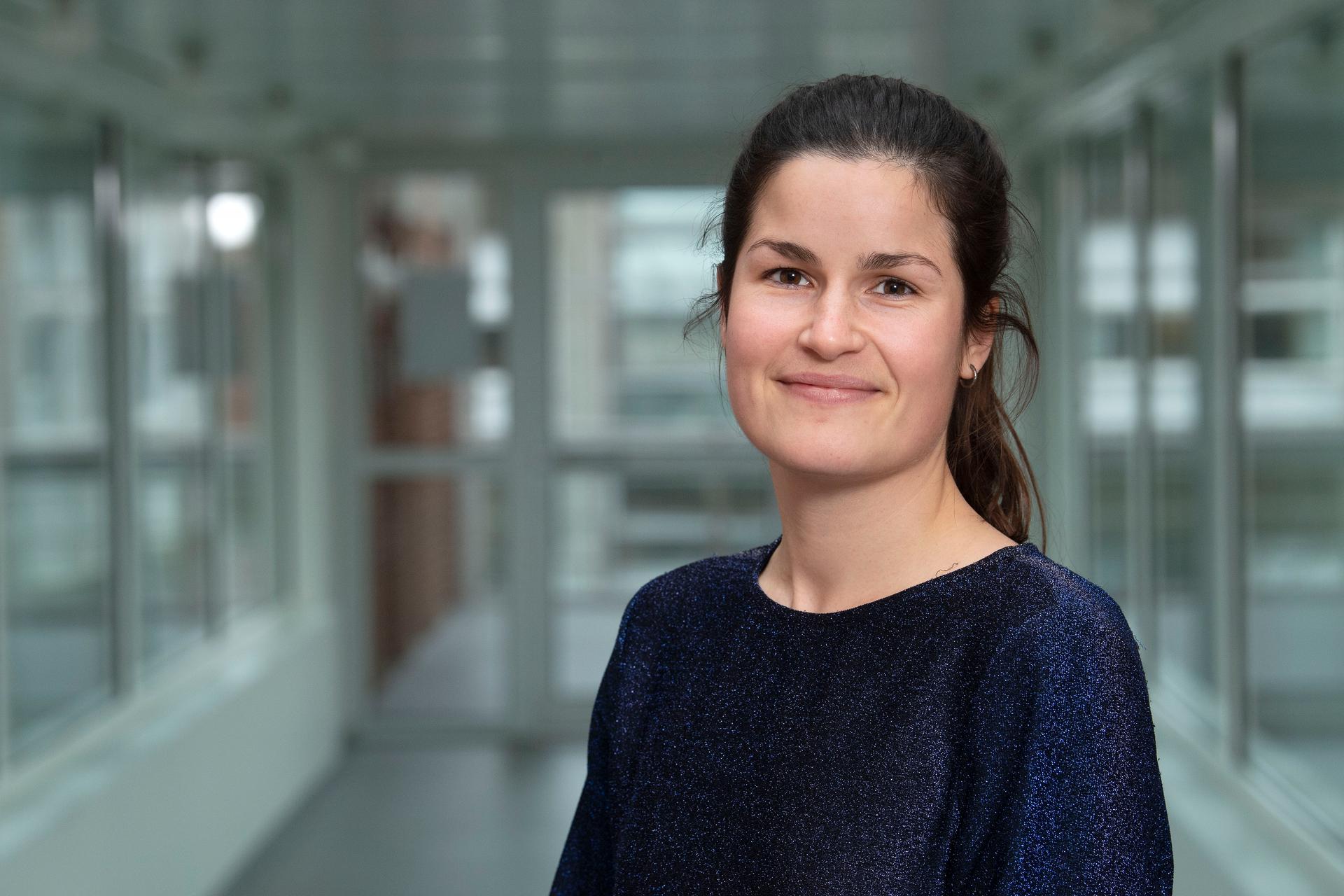
PhD defense by Camilla Bakkær Simonsen
Department of Health Science and Technology, Aalborg University
AAU SUND, room 12.01.004
Selma Lagerløfs Vej 249, 9260 Gistrup
22.05.2026 Kl. 13:00 - 16:00

All are welcome

Dansk

On location
Department of Health Science and Technology, Aalborg University
AAU SUND, room 12.01.004
Selma Lagerløfs Vej 249, 9260 Gistrup
22.05.2026 Kl. 13:00 - 16:00
Dansk
On location
DEPARTMENT OF HEALTH SCIENCE AND TECHNOLOGY
PhD defense by Camilla Bakkær Simonsen
Department of Health Science and Technology, Aalborg University
AAU SUND, room 12.01.004
Selma Lagerløfs Vej 249, 9260 Gistrup
22.05.2026 Kl. 13:00 - 16:00
All are welcome
Dansk
On location
Department of Health Science and Technology, Aalborg University
AAU SUND, room 12.01.004
Selma Lagerløfs Vej 249, 9260 Gistrup
22.05.2026 Kl. 13:00 - 16:00
Dansk
On location
PROGRAM
13:00: Opening by the Moderator
13:05: PhD lecture by Camilla Bakkær Simonsen
13:50: Break
14:00: Questions and comments from the Committee
15:30: Questions and comments from the audience at the Moderator’s discretion
16:00 Conclusion of the session by the Moderator
EVALUATION COMMITTEE
The Faculty Council has appointed the following adjudication committee to evaluate the thesis and the associated lecture:
- Head of department and professor of public health Camilla Martha Ihlebæk, Norwegian University of Life Science, Norway
- Head of research and senior researcher Charlotte Demant Klinker, Steno Diabetes Center, Copenhagen
Chairman: Associate professor Henrik Vardinghus-Nielsen, Department of Health Science and Technology (HST), Aalborg Universitet
Moderator: Head of Research Group and Professor Sine Agergaard, Department of Health Science and Technology (HST), Aalborg Universitet
ABSTRACT
Not all children and adolescents have equal opportunities to engage in leisure-time physical activity. Those growing up in resource-limited areas with few opportunities for organized sports and limited social support are generally less physically active than their peers from more affluent backgrounds. Efforts to promote physical activity often focus on changing the behavior of the individual child, but such approaches risk overlooking the influence of social relationships and contextual factors that shape children’s and adolescents’ opportunities for movement.
In this thesis, I explore how family- and community-based interventions are experienced, interpreted, and ascribed meaning to by the children, parents, and stakeholders involved. In doing so, I conducted a qualitative systematic review of family- and community-based interventions as well as two empirical qualitative studies of an intervention called Assist. Throughout this thesis, I argue that children’s and adolescents’ access to and participation in leisure-time physical activity should not be understood merely as a matter of the child’s motivation, choice, or interests. Instead, attention should be directed toward their close and peripheral relationships, and how support can be mobilized through these networks. Overall, the thesis contributes to this agenda by highlighting both the potential and challenges of engaging families and local communities in supporting children’s and adolescents’ opportunities for leisure-time physical activity in low-income areas. Based on the overall findings of the thesis, I propose a new conceptualization of social support as joint action (in Danish: samhandlende social støtte), highlighting the need for coordination and alignment of understandings and expectations in order to create actions that are meaningful to all parties involved.