Spring til indhold.

Nyhed

LUMINA gets under way: Digital twins to pave the way for more precise lung cancer treatment

Lagt online: 18.10.2026

On 6 and 7 October, the LUMINA consortium met in Copenhagen to officially kick off the project’s ambitious international collaboration. With funding from the EU, the project will develop AI-based digital twins that could ultimately make the diagnosis, risk assessment and treatment of lung cancer more precise and personalised.

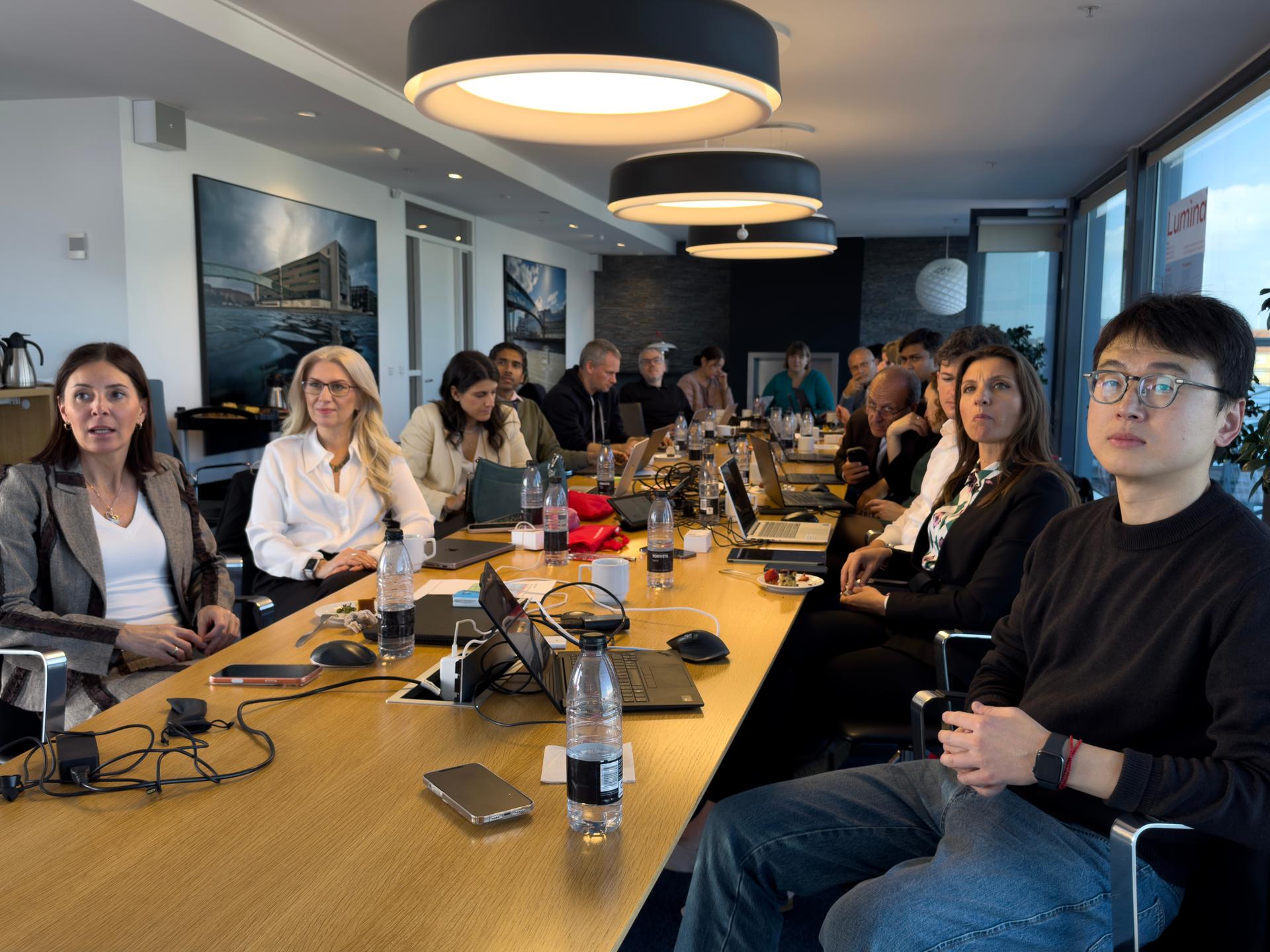
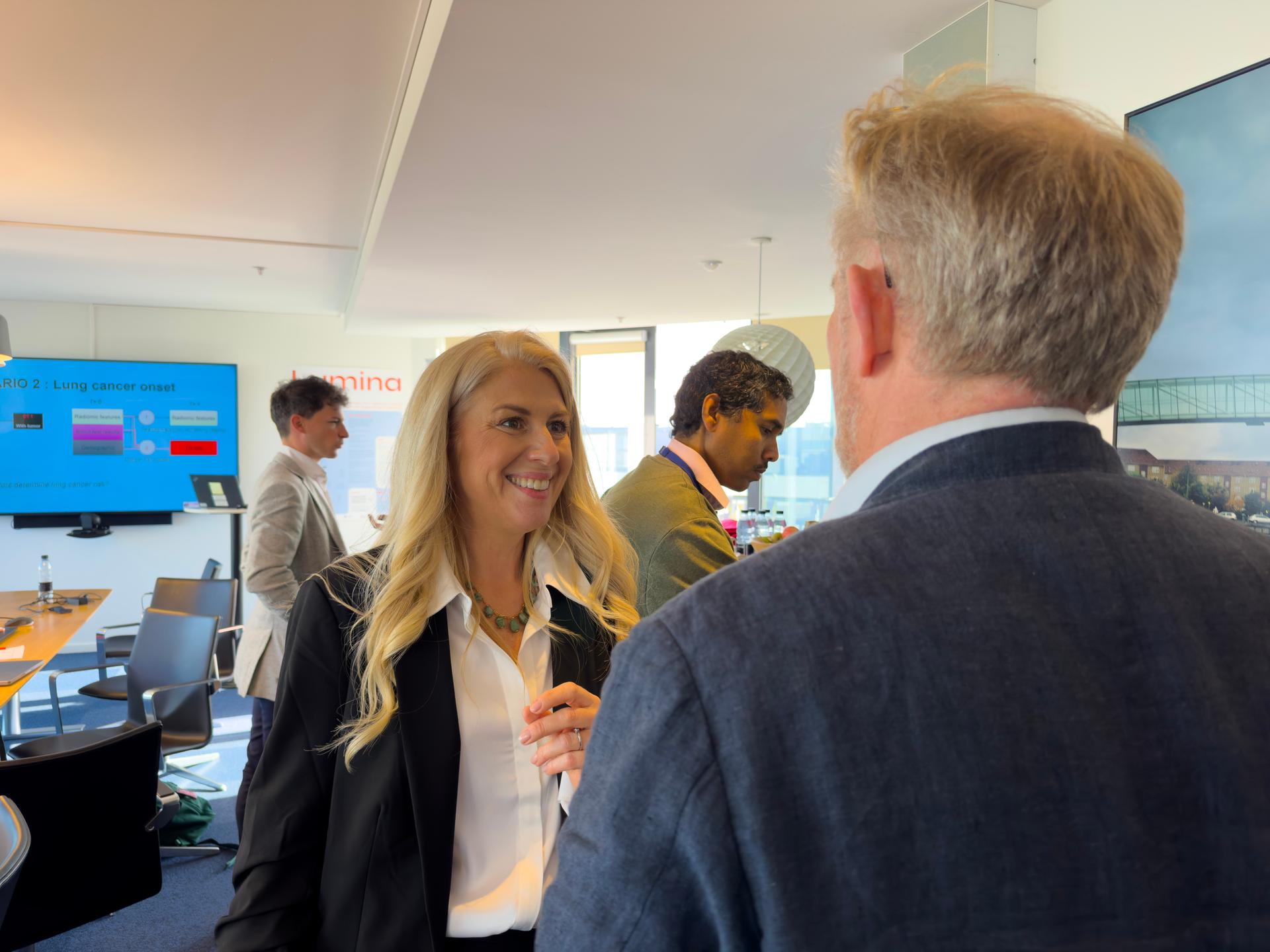
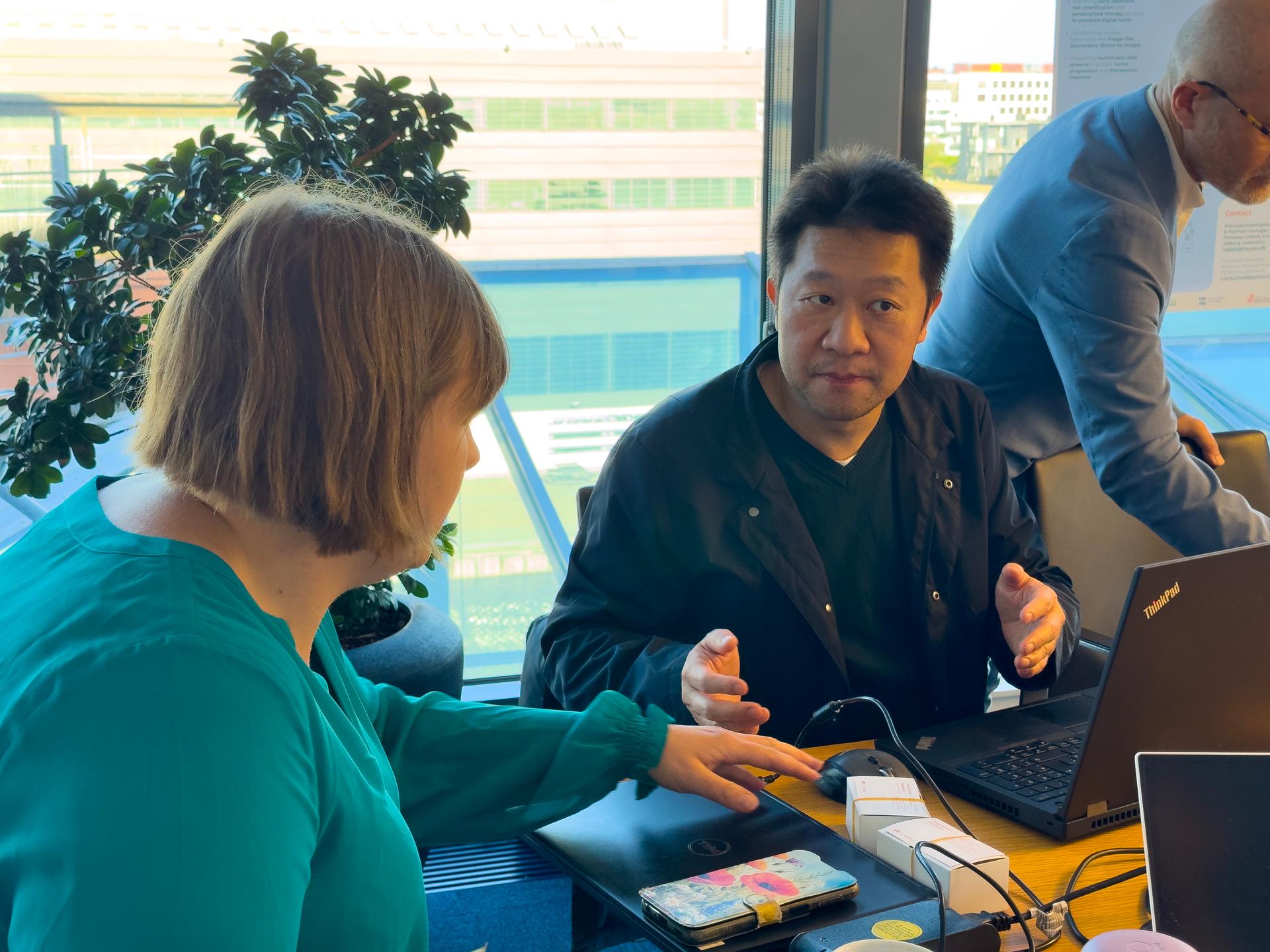
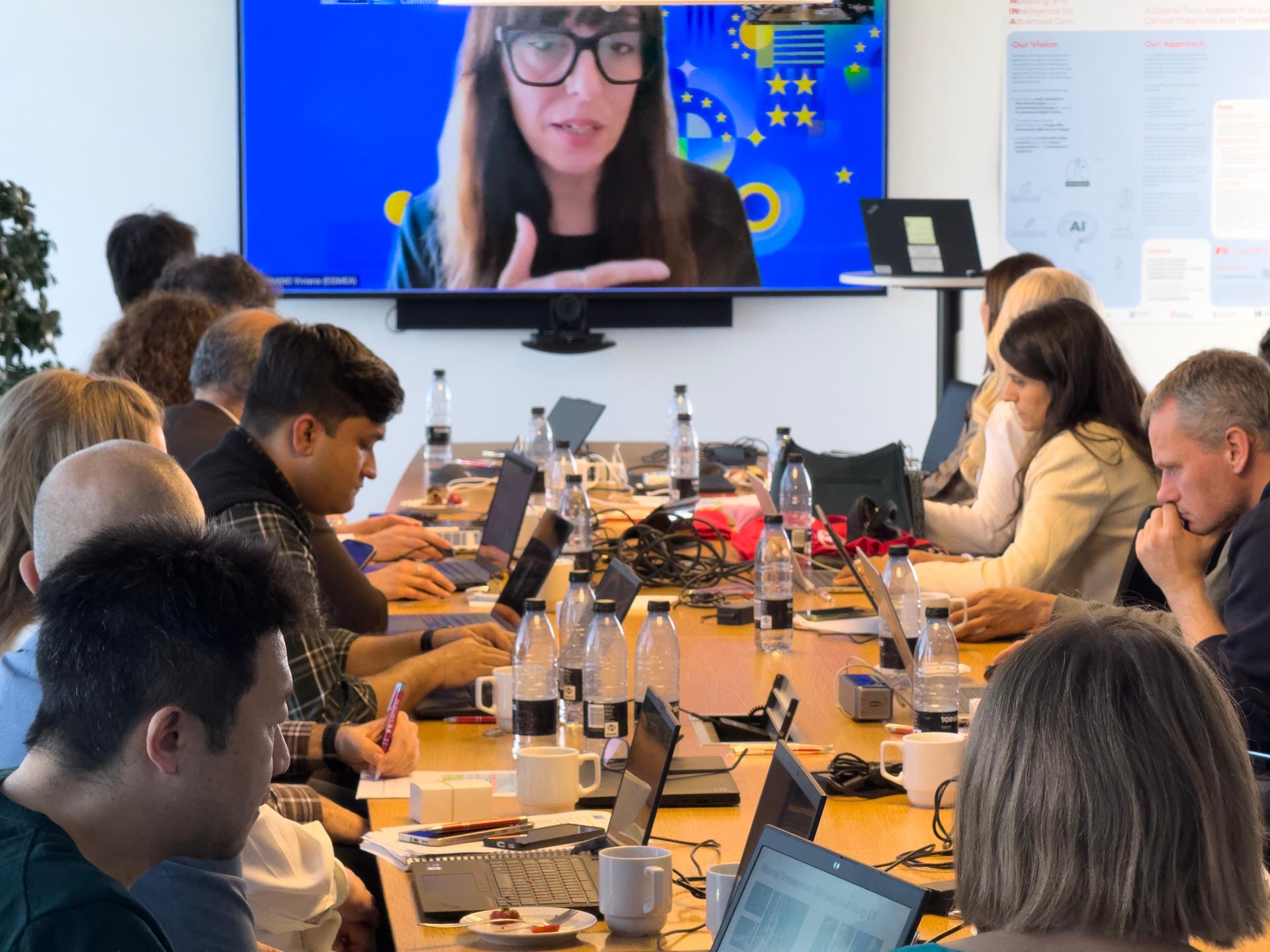
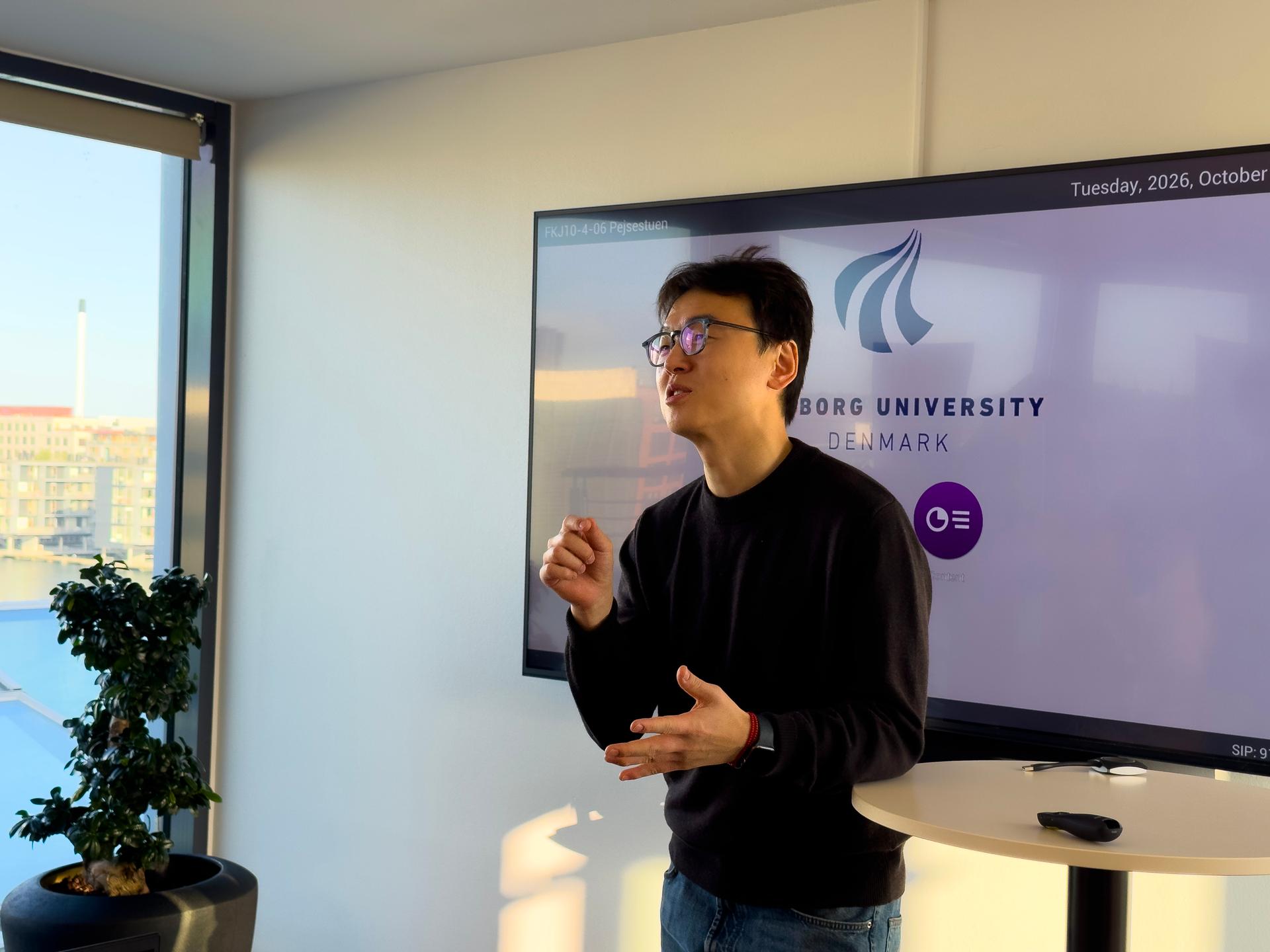
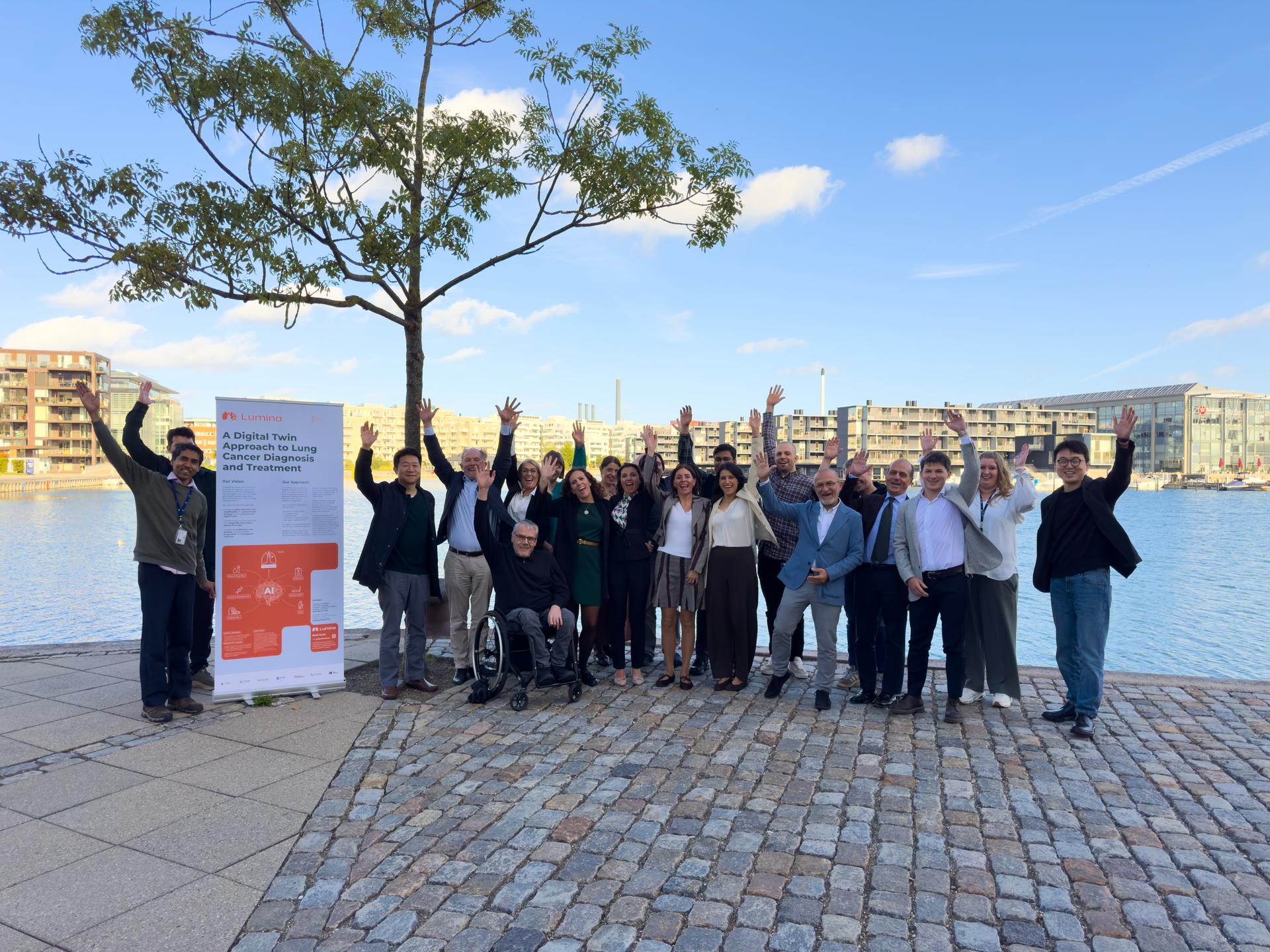
The participants at the LUMINA kick off meeting in Copenhagen on the 6 and 7 October 2026

At the heart of LUMINA is an ambitious goal: to develop personalised digital twins of patients’ lungs.

By combining and analysing CT scans, clinical information, pathology data and biomarkers from blood samples, the models will simulate disease progression and responses to treatment. This could give clinicians a stronger basis for assessing risks, comparing treatment options and making decisions tailored to each individual patient.

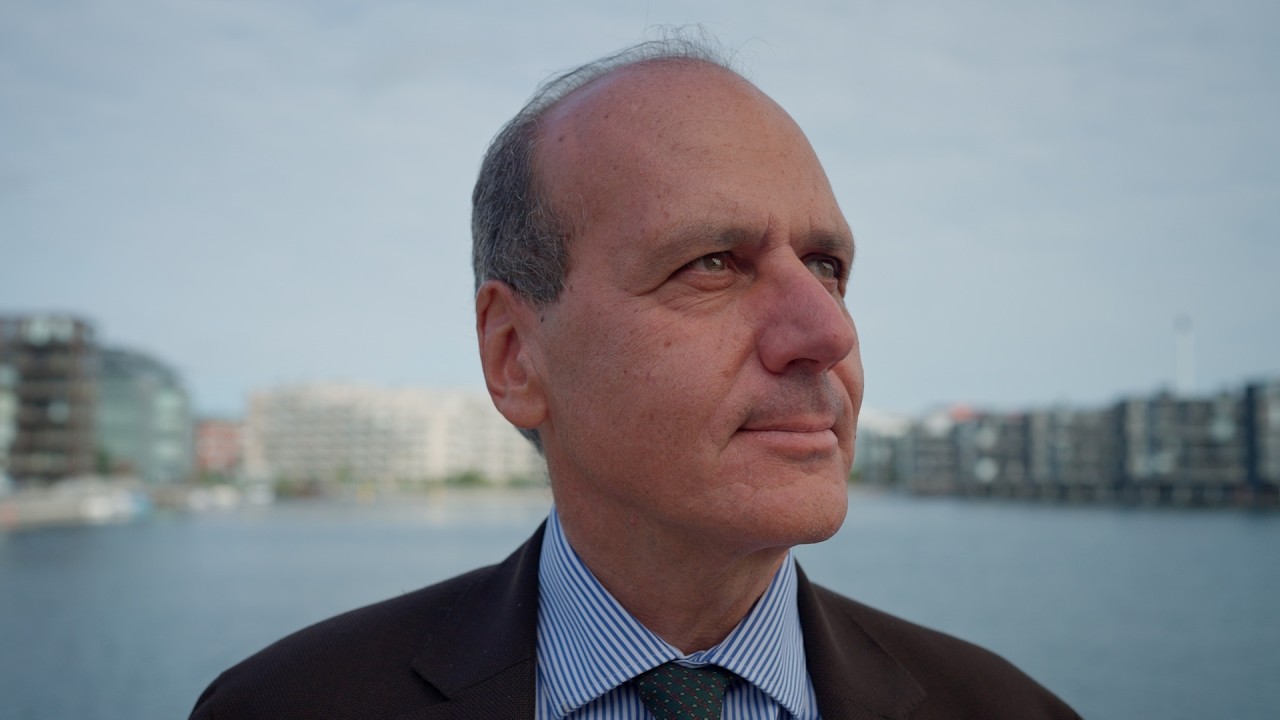
My vision is that we should not only detect cancer once the disease is already there. We should be able to identify an increased risk earlier and perhaps even prevent the disease from arising.

Professor and Chief Physician Stig Egil Bojesen, the Department of Clinical Biochemistry at Herlev Gentofte Hospital, Copenhagen University Hospital

thumbnail

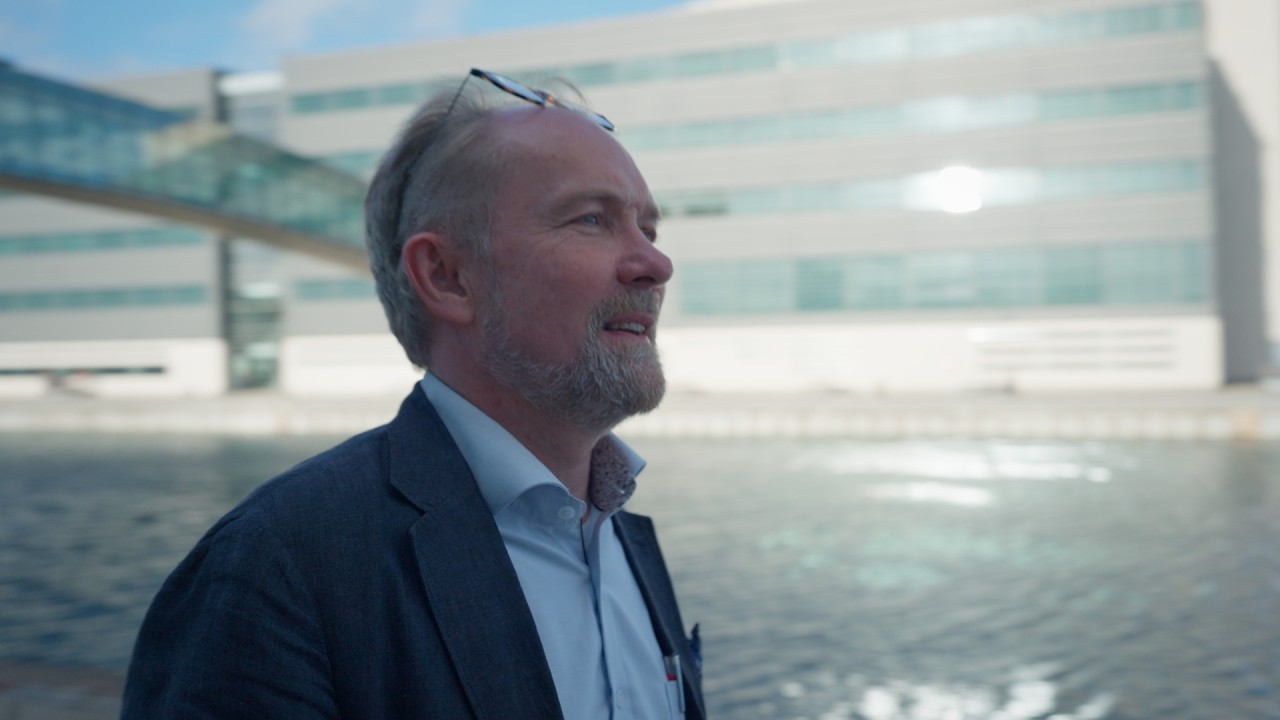
Professor Stig Egil Bojesen shares his expectations for the LUMINA project

Du skal acceptere følgende cookiekategorier for at kunne se indholdet: Marketing

Professor Stig Egil Bojesen shares his expectations for the LUMINA project

LUMINA officially started on 1 October, and just a few days later, the consortium partners gathered for the kick-off meeting at Aalborg University in Copenhagen.

The meeting marked the first joint steps in a project that brings together clinical expertise, artificial intelligence, data science and mathematical modelling to turn this ambition into a clinically useful tool.

A more complete picture of the patient

Professor Andrea Laghi, Director of the Medical Specialty School of Radiodiagnostics at Humanitas University and Chairman of the Department of Radiology at Humanitas Research Hospital in Milan, points out that a single scan rarely tells the whole story.

Findings on a CT scan may resemble cancer without actually being cancer, and the assessment becomes stronger when images are examined over time and considered alongside other information.

“The digital twin will give us a holistic view of the patient – not simply an image of the disease. Patients are not images. They are a combination of blood data, genomics, imaging features and clinical history. By bringing these multimodal data together, we gain a much stronger basis for assessing both the diagnosis and the treatment,” says Andrea Laghi.

thumbnail

Professor Andrea Laghi shares his expectations for the LUMINA project

Du skal acceptere følgende cookiekategorier for at kunne se indholdet: Marketing

Professor Andrea Laghi shares his expectations for the LUMINA project

From treatment to earlier intervention

The need for better risk assessment is a key priority for Clinical Professor at the University of Copenhagen and Chief Physician Stig Egil Bojesen, who represents the Department of Clinical Biochemistry at Herlev-Gentofte Hospital in the LUMINA consortium.

The digital twin will give us a holistic view of the patient – not simply an image of the disease.

Professor Andrea Laghi, Director of the Medical Specialty School of Radiodiagnostics at Humanitas University

Current risk models rely heavily on information about factors such as smoking, age and medical history. However, they cannot capture each individual’s full level of risk.

“By using blood samples, we can add objective information and improve the risk models. My vision is that we should not only detect cancer once the disease is already there. We should be able to identify an increased risk earlier and perhaps even prevent the disease from arising. Instead of arriving after the car accident, we should try to direct the traffic so that the crash does not happen in the first place,’ says Stig Egil Bojesen.

International collaboration with EU funding

Led by Aalborg University, LUMINA brings together partners from Denmark, Italy, Poland and South Korea.

The project has received EU funding through the European Innovation Council’s EIC Pathfinder Challenges Programme, which makes it possible to unite the diverse expertise and data needed to develop and test the project’s core technology, the BRONCHI Digital Twin.

“For me, the best part is almost how crazy the idea is. It is inspiring to feel the energy and enthusiasm generated by a collaboration like this. We often work in our own silos, but when clinicians, pathologists, AI researchers and other experts bring their perspectives together, we can learn something new and ultimately improve the clinical management of lung diseases,” says Stig Egil Bojesen.

With the consortium assembled and the work officially under way, the next task is to turn the ambitions into robust models that can be tested and validated.

If successful, LUMINA could not only contribute to a more personalised and proactive approach to lung cancer but also create methods that could later be applied to other cancers and lung diseases.
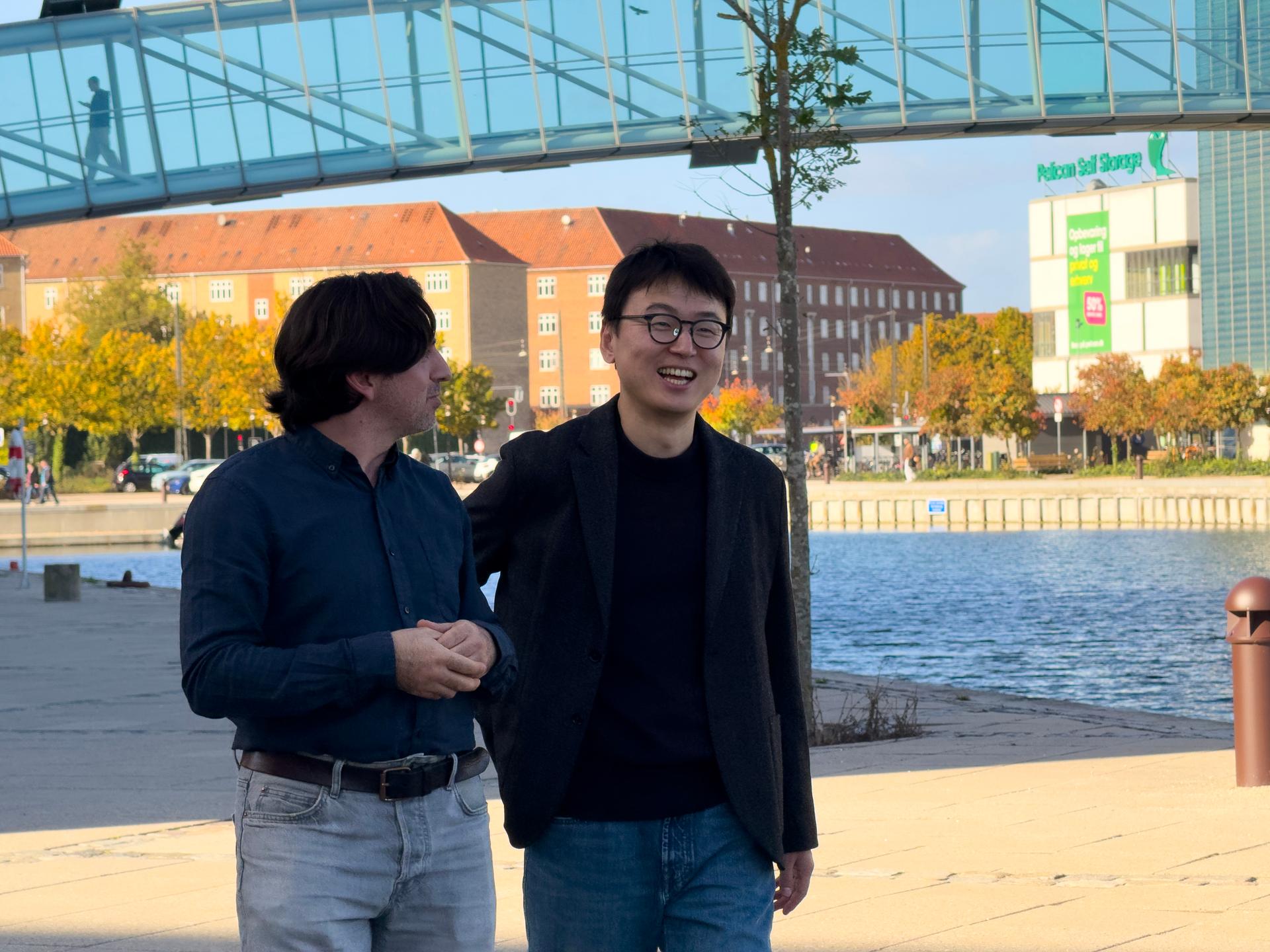
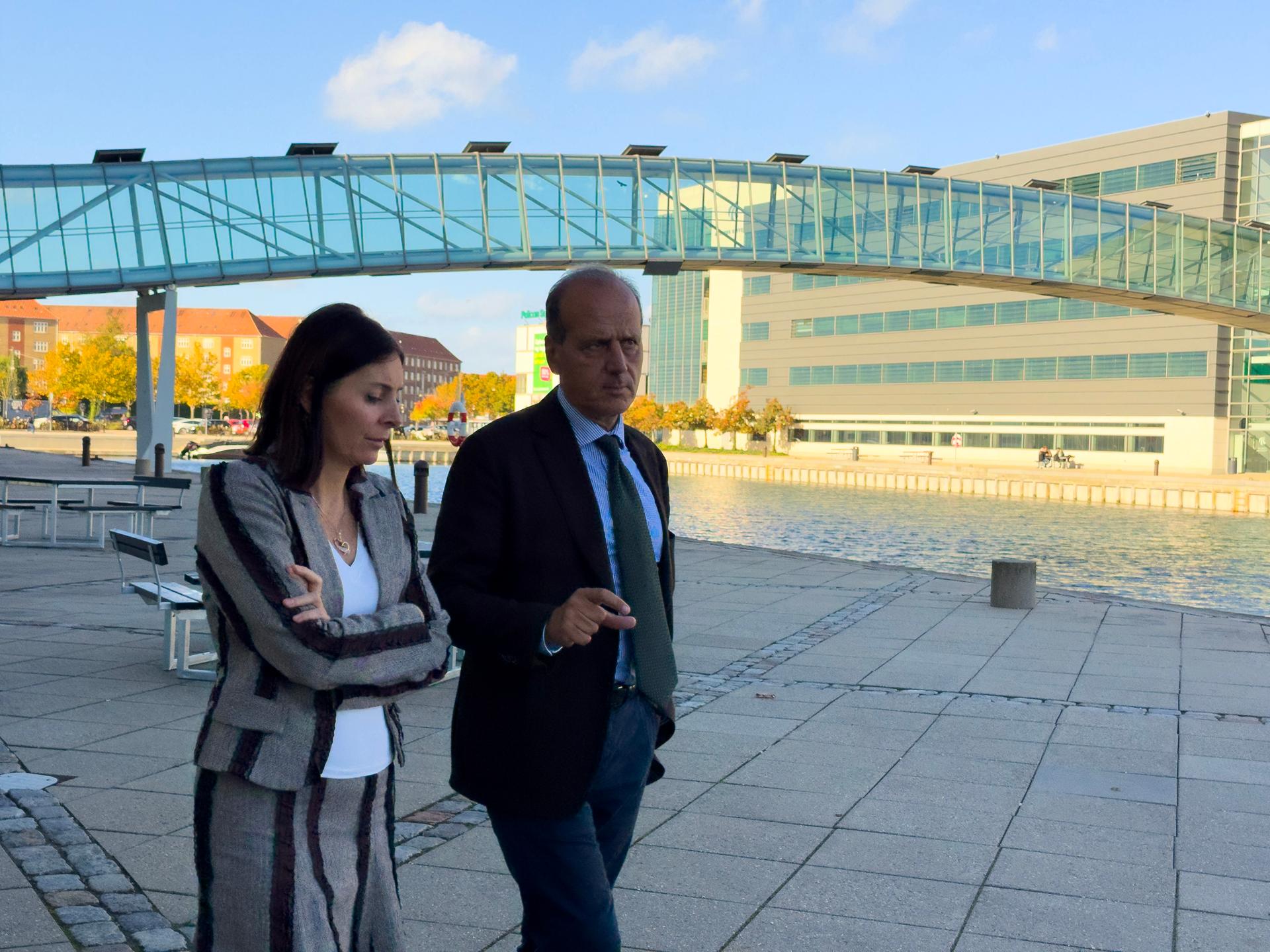
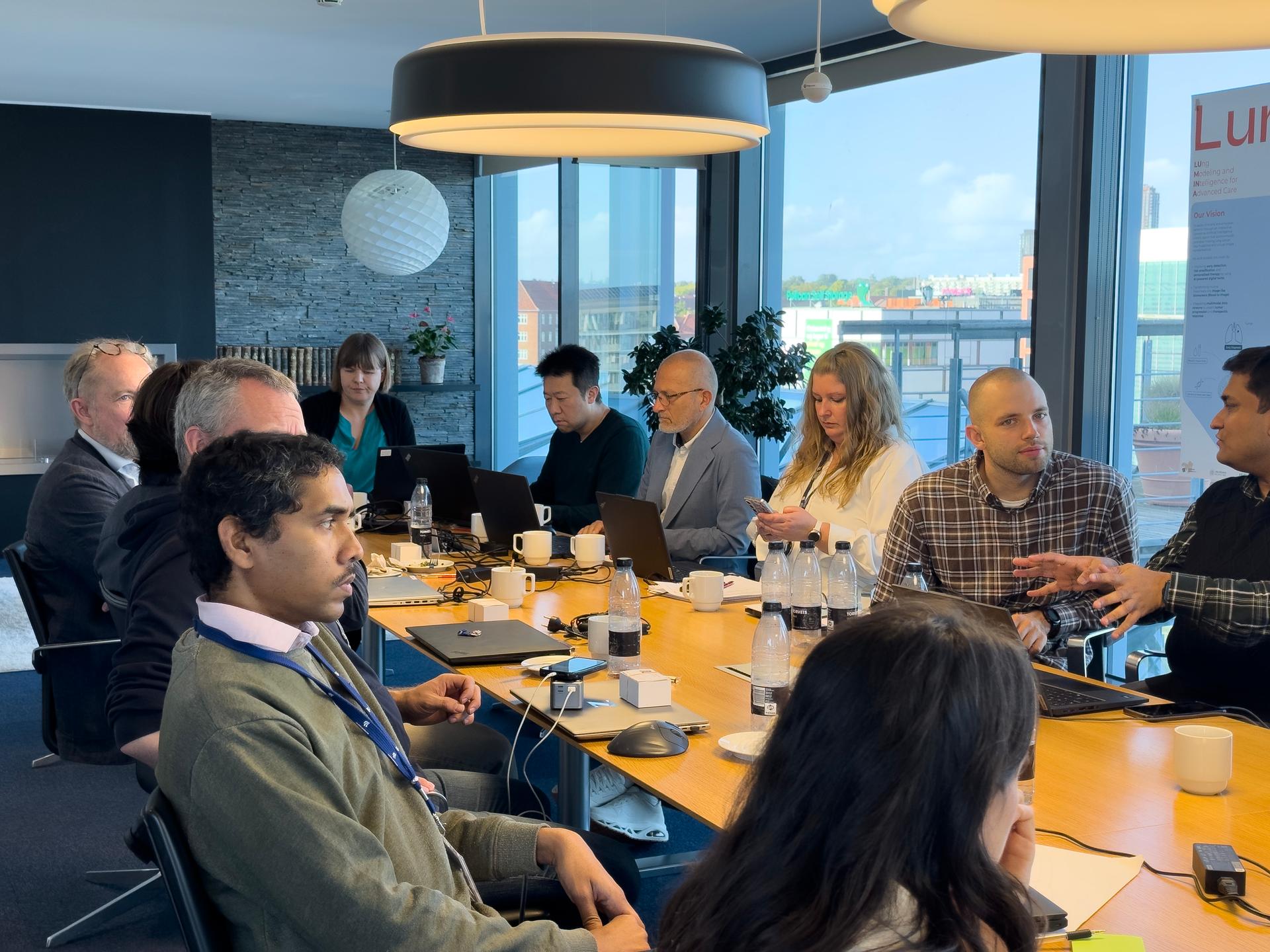
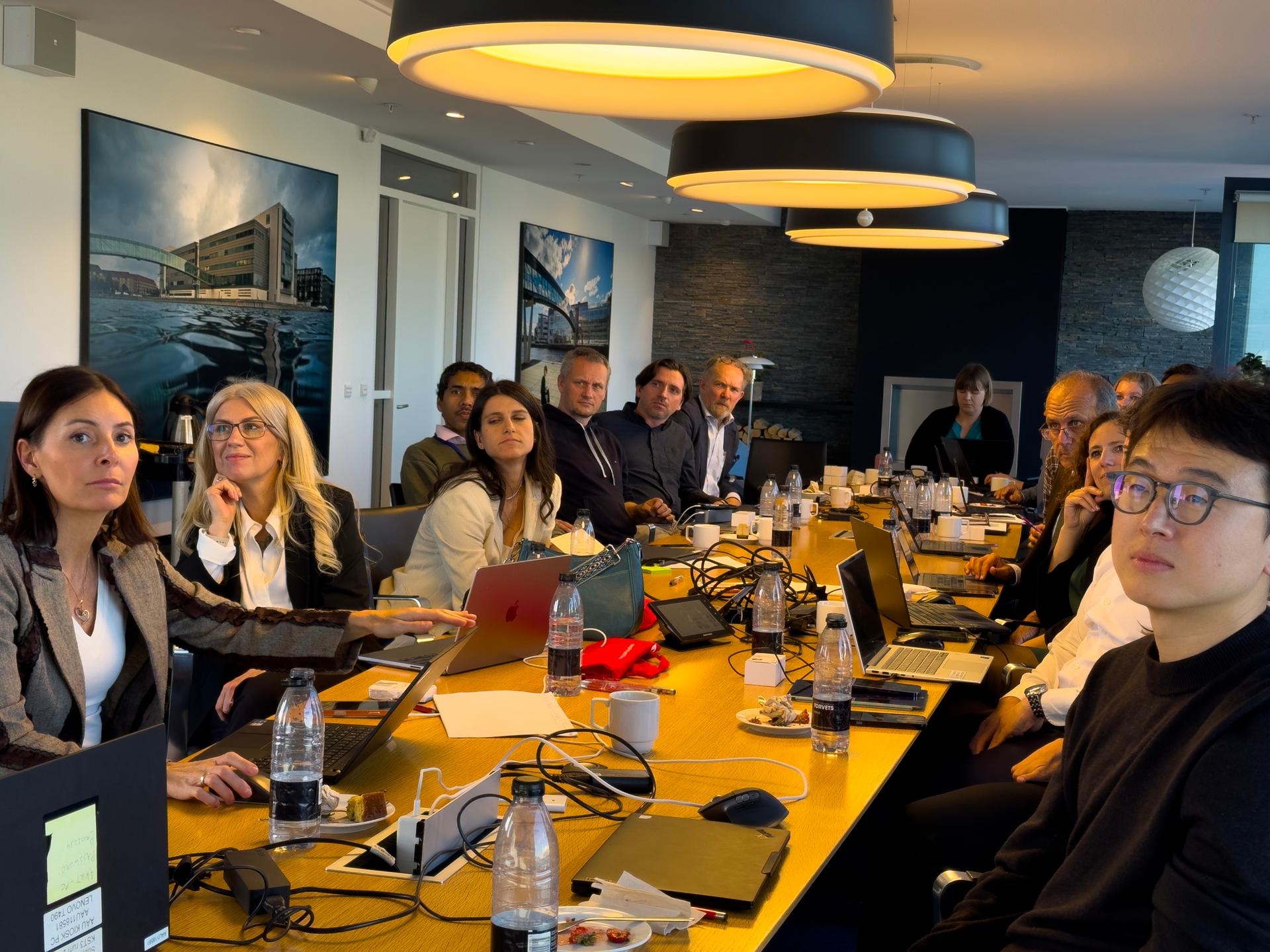
Pictures from the kick off meeting in Copenhagen

Partners