Nyhed
Digital twins to support the green transition
Nyhed
Digital twins to support the green transition
Digital twins to support the green transition
Nyhed
Nyhed
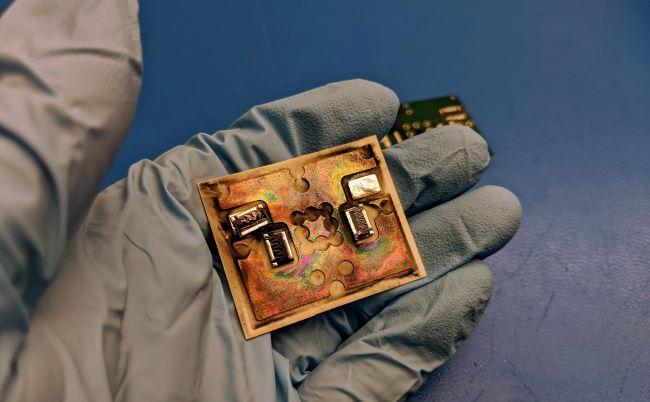
A short time-to-market for new green solutions is essential, and the products should be both efficient, compact, and cheap. This is one of the challenges to be solved by the research project Center of Digitalized Electronics (CODE).
- “It is a complex task to make the best electronic components, as there are many trade-offs to be made in achieving a good design. We design the components in detailed 3D, known as a digital twin, using accurate material properties, which allows us to quickly see how different parts of the product behaves. When we have everything digitally, it enables us to rapidly make changes and analyze the result. We can make hundreds of iterations and choose the optimum solution to build, which is much faster than doing trial and error on physical prototypes in the laboratory.” says Asger Bjørn Jørgensen, Assistant Professor at AAU Energy.
New prototypes will have to pass a long list of qualification tests, to ensure that they can withstand the required voltage rating, that they can operate at elevated temperatures and do not break during vibrations. These qualification tests are time-consuming, and if the prototype fails it must be re-designed.
- “It takes a long time every time we have to understand what went wrong, make the required change to the design and build a new prototype to re-do the tests. Because we already have a digital twin during the design-phase, we have a vision that the product qualification tests could also be done on a digital platform. We will save a lot of time and resources, if we can locate potential problems using the digital twin rather than building several prototypes that will fail one of the qualification tests.”
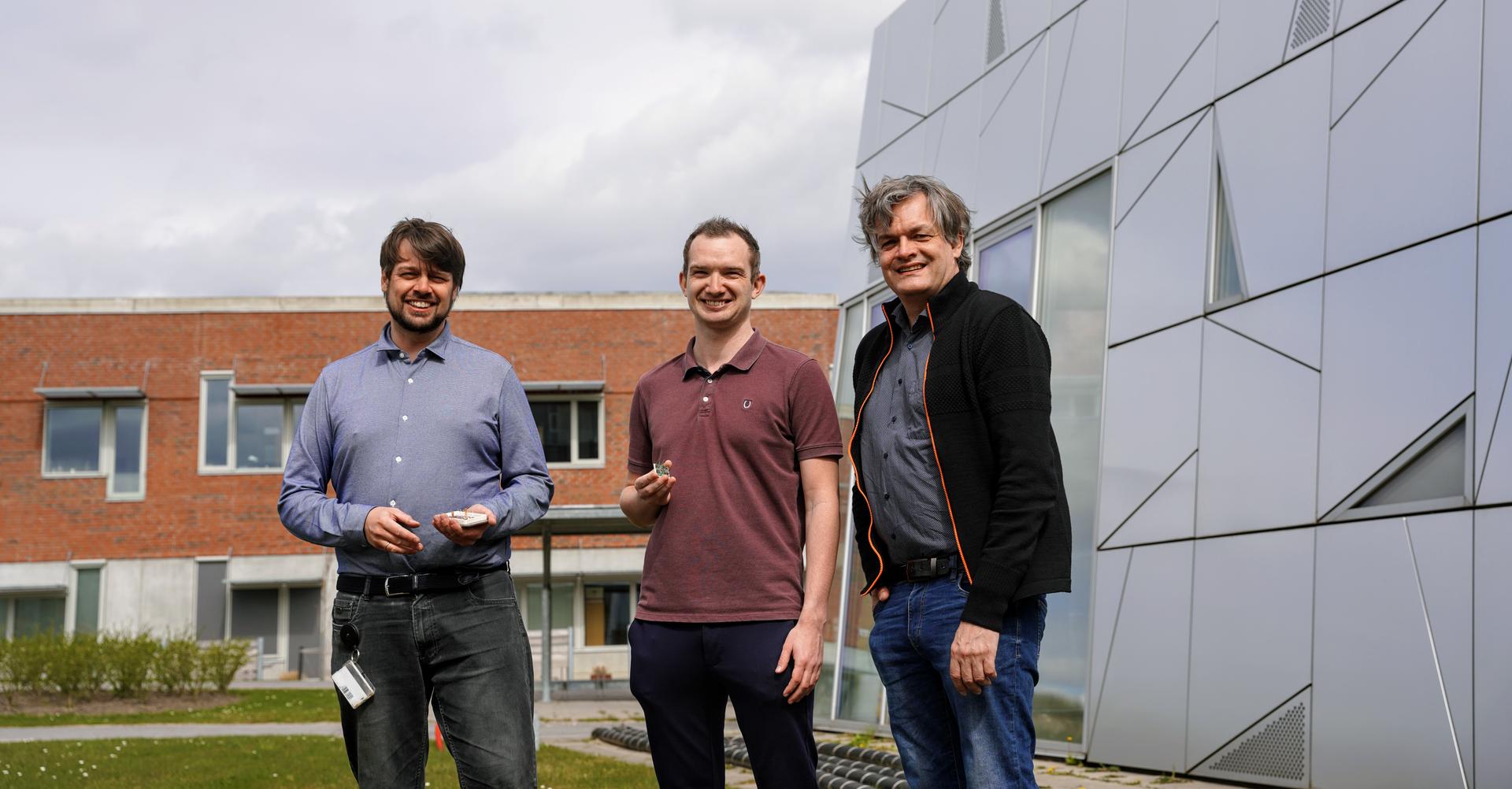
The research project Center of Digitalized Electronics is supported by the Poul Due Jensen Grundfos Foundation.

Asger Bjørn Jørgensen
Assistant Professor
Email: abj@energy.aau.dk